
The Infertililty Project
What is this work about?
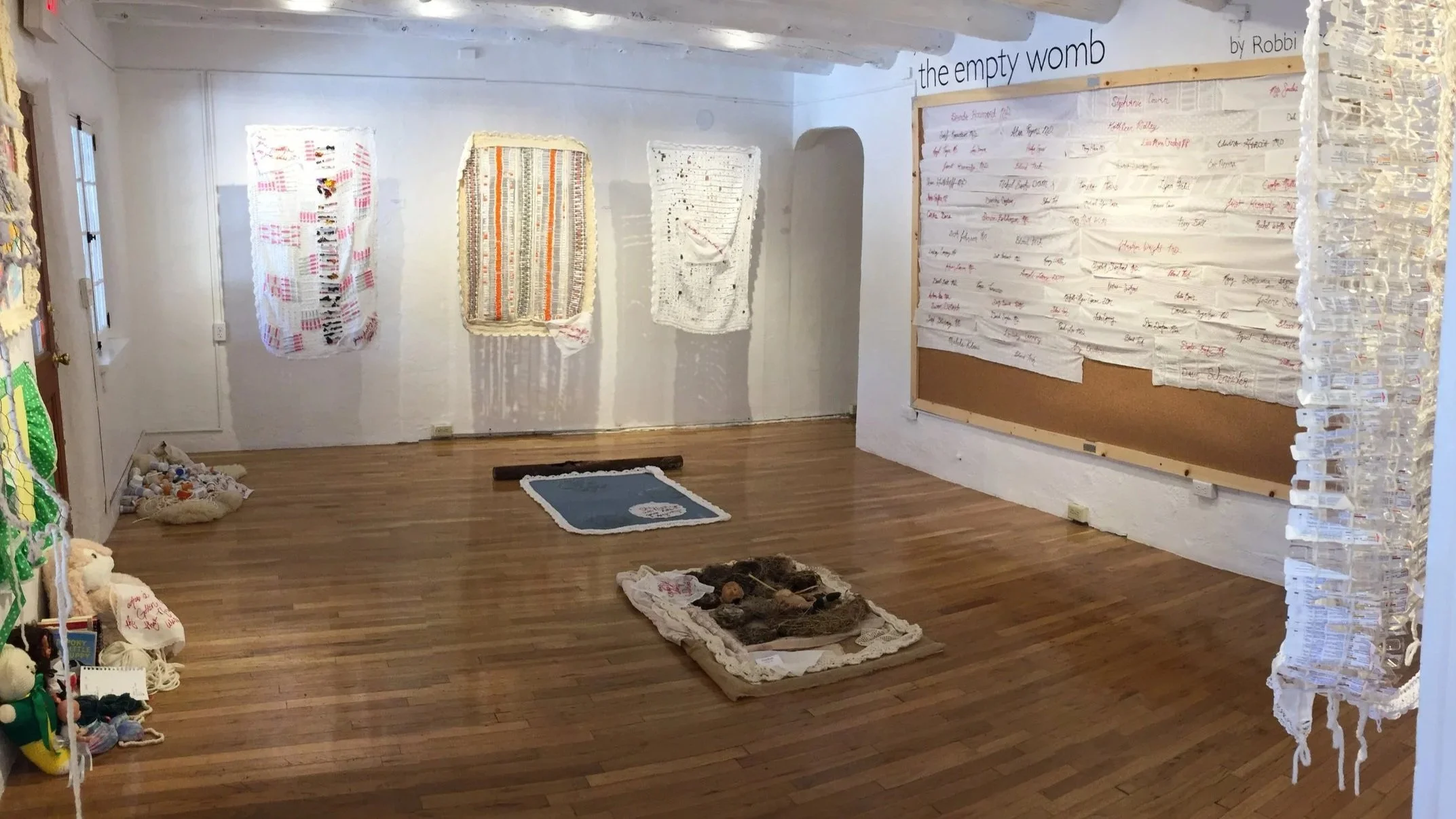
The Infertility Project began in a hospital room, not an art studio. In 2015, after multiple cycles of in vitro fertilization resulted in an emergency hysterectomy, my body betrayed me. My lifelong dream shattered. I began hoarding the clinical IVF debris that "sane" women would throw away: syringes, lengths of bloodied gauze, ovulation tests, pill bottles; the medical garbage…the evidence of trying (then failing) to become a biological mother.
I intended, initially, to build one artwork memorializing the joyful, healthy birth of my baby; a Fertility Rosary; the celebration of success. Instead, I crafted a visceral series of Baby Blankets, with telling titles, The Golden Child That Never Was, Did Invitro Kill Your Marriage?, But Your Paintings Are Your Babies, Empty Promises, and All My Hopes And Dreams Undone.
These works are meant to support women suffering the existential grief and isolation of infertility. Yet, in the beginning, each stitch I sewed saved me from suicide, from the trauma that I, like so many women, could almost not endure.
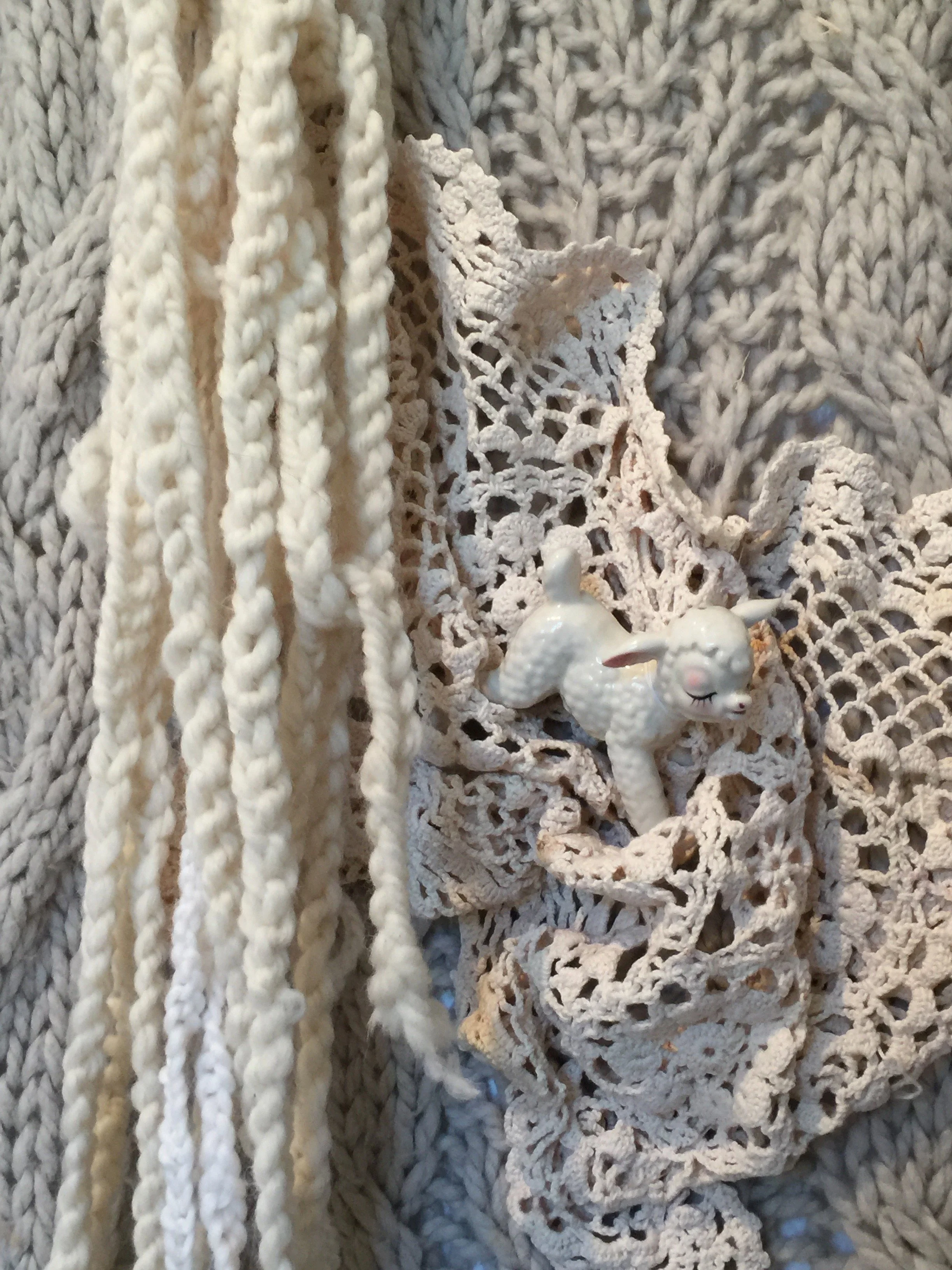
From this intimately personal, yet universal struggle, The Infertility Project came to be a twenty-seven piece installation, constructed over my seven years of grief, survival, and, eventually, healing. The core series is titled, The Baby Blankets; nine 30” x 40” textile works of handcrafted 'women's work,' which represent the Mother Line (lineage) and legacy. Embroidery, knitting, crochet, and quilting intertwine medical gauze with syringes, pearls, pregnancy tests, pill bottles, birds nests, etc.
I gathered a circle of wise women to help me craft these items. This referenced the maternal comfort (which they offered me daily while we worked). These acts of 'women's work,' contrast the industrialized pharmaceutical complex while exploring feminine mourning, confusion, isolation, fury, grief, trauma, an impenetrable loss, and the possibility to heal.
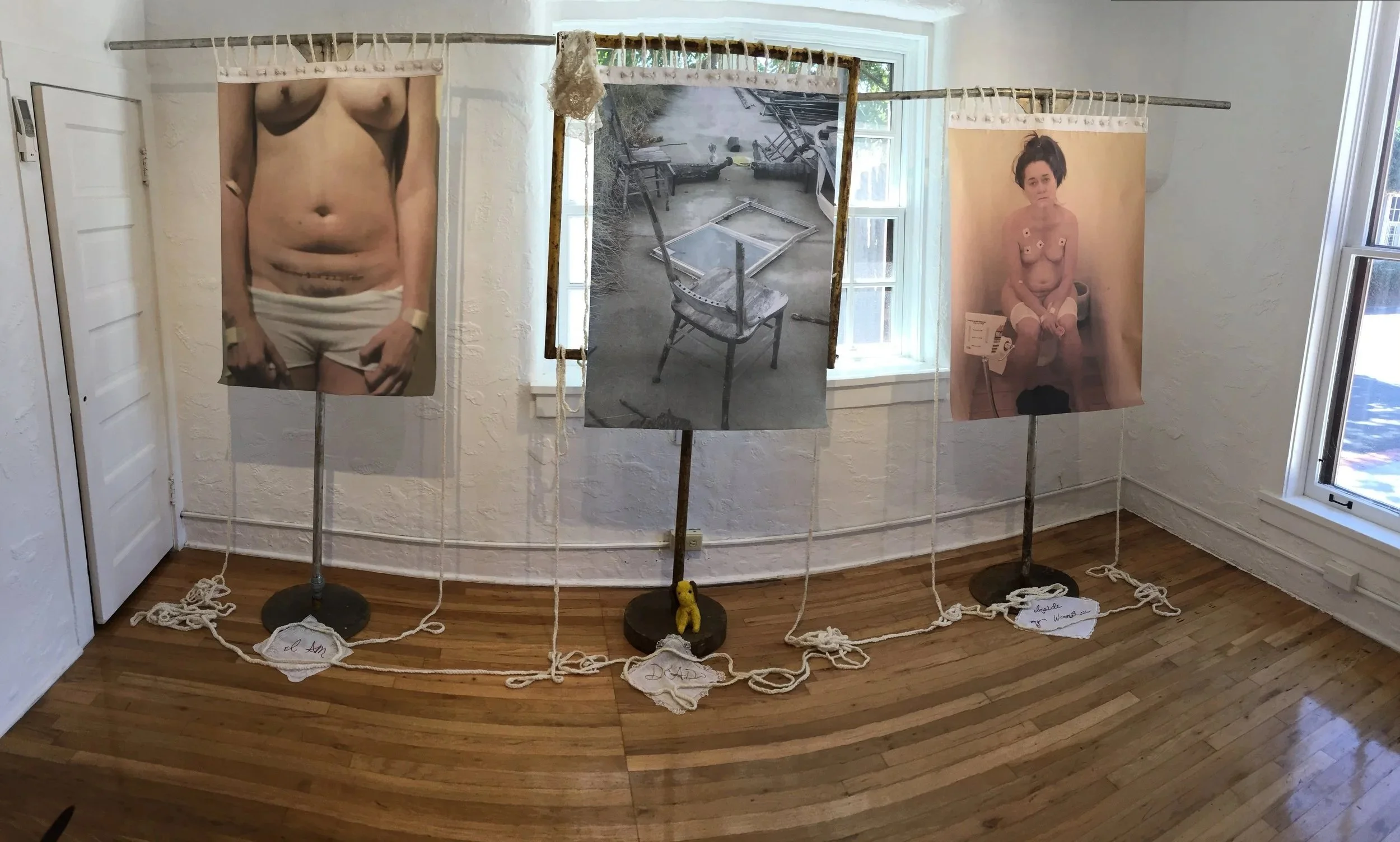
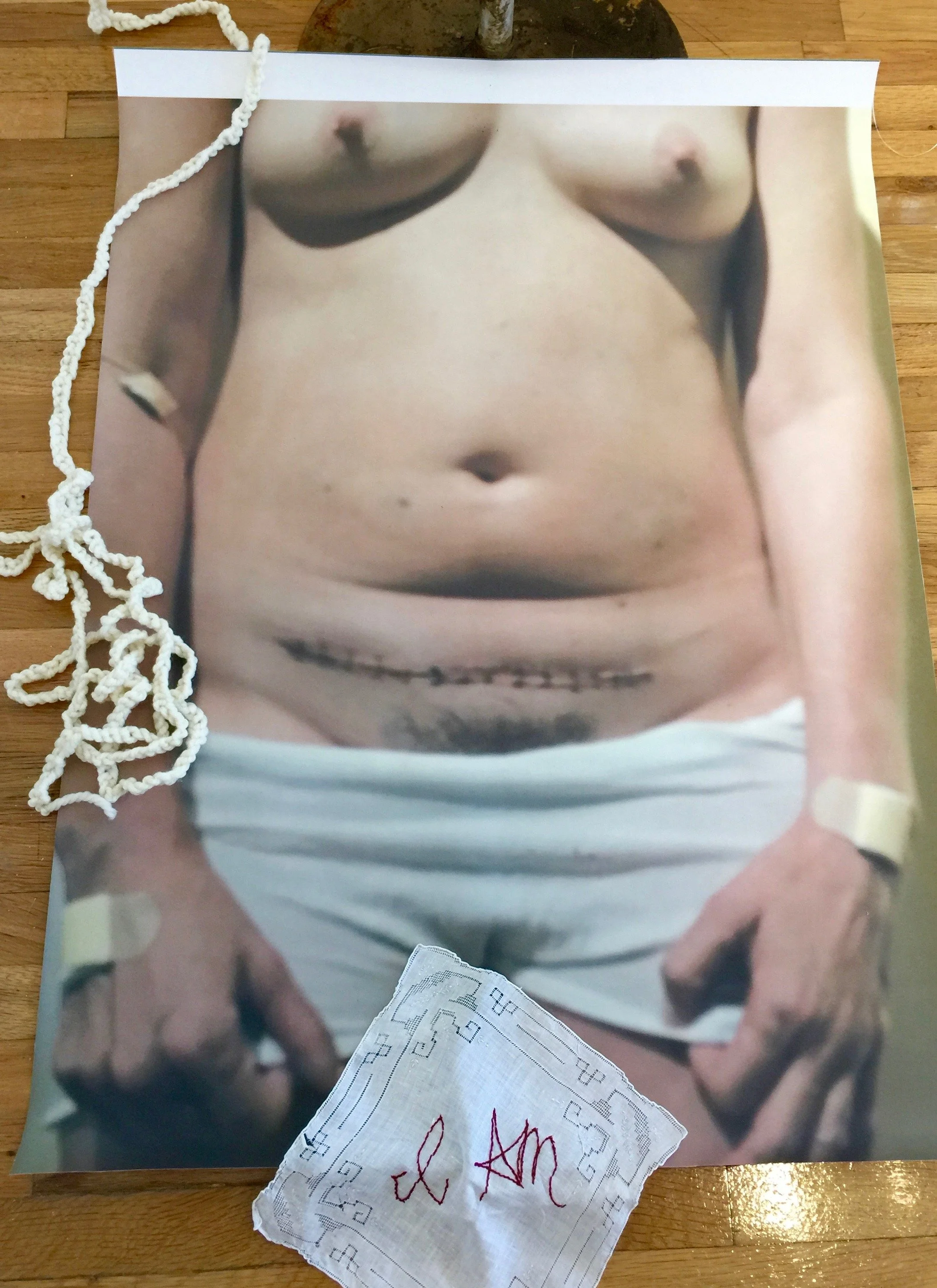
The Welders Screens stand as a steel triptych of sentinels symbolizing the brute 'force' of IVF on the female body. Scorched, silk photographs of hysterectomy stitches, and a tornado-destroyed home evidences/narrates the statistical lengths many couples will undergo to have a baby, while destroying their homes and marriages through the costs and processes of IVF.
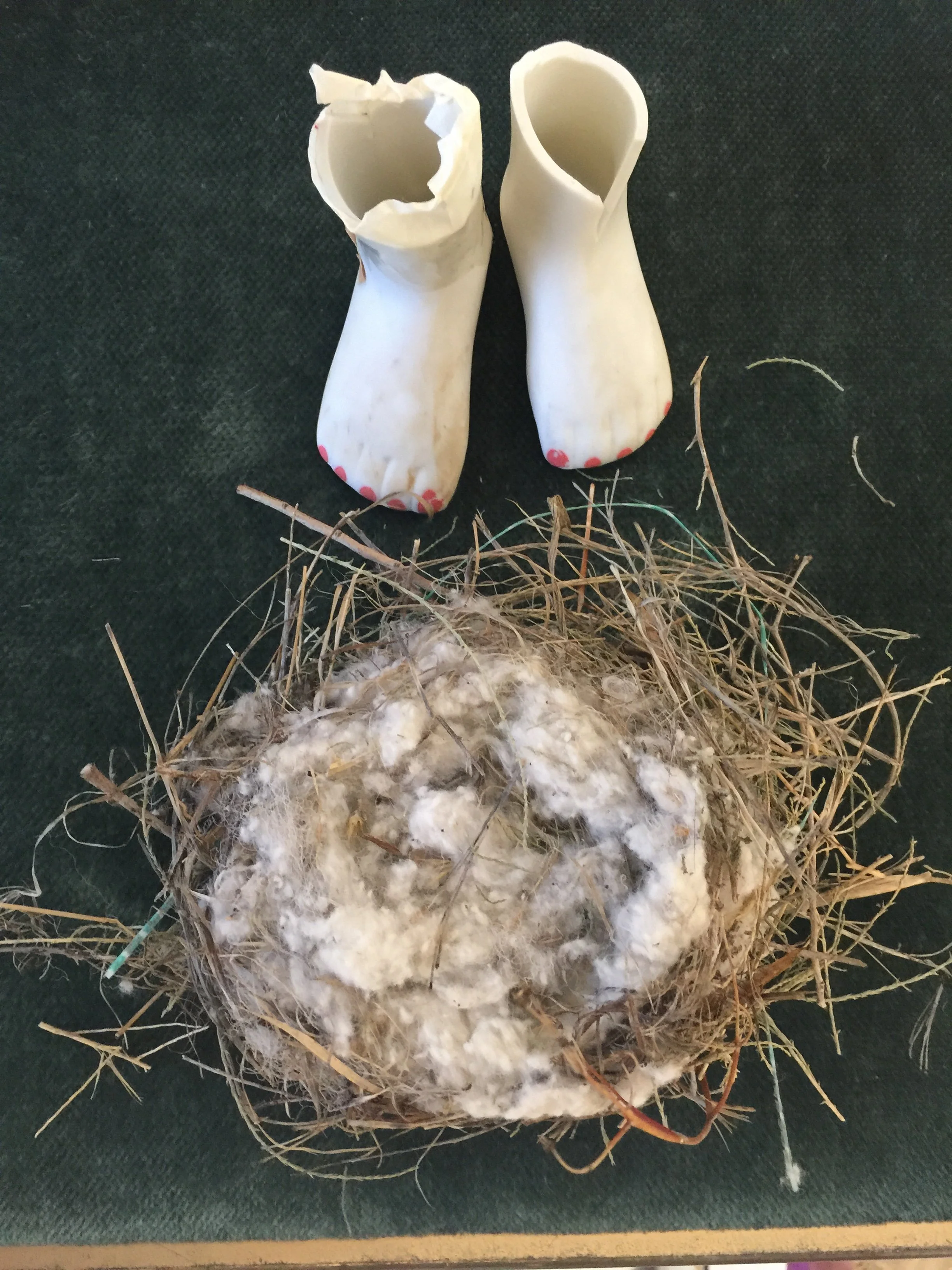
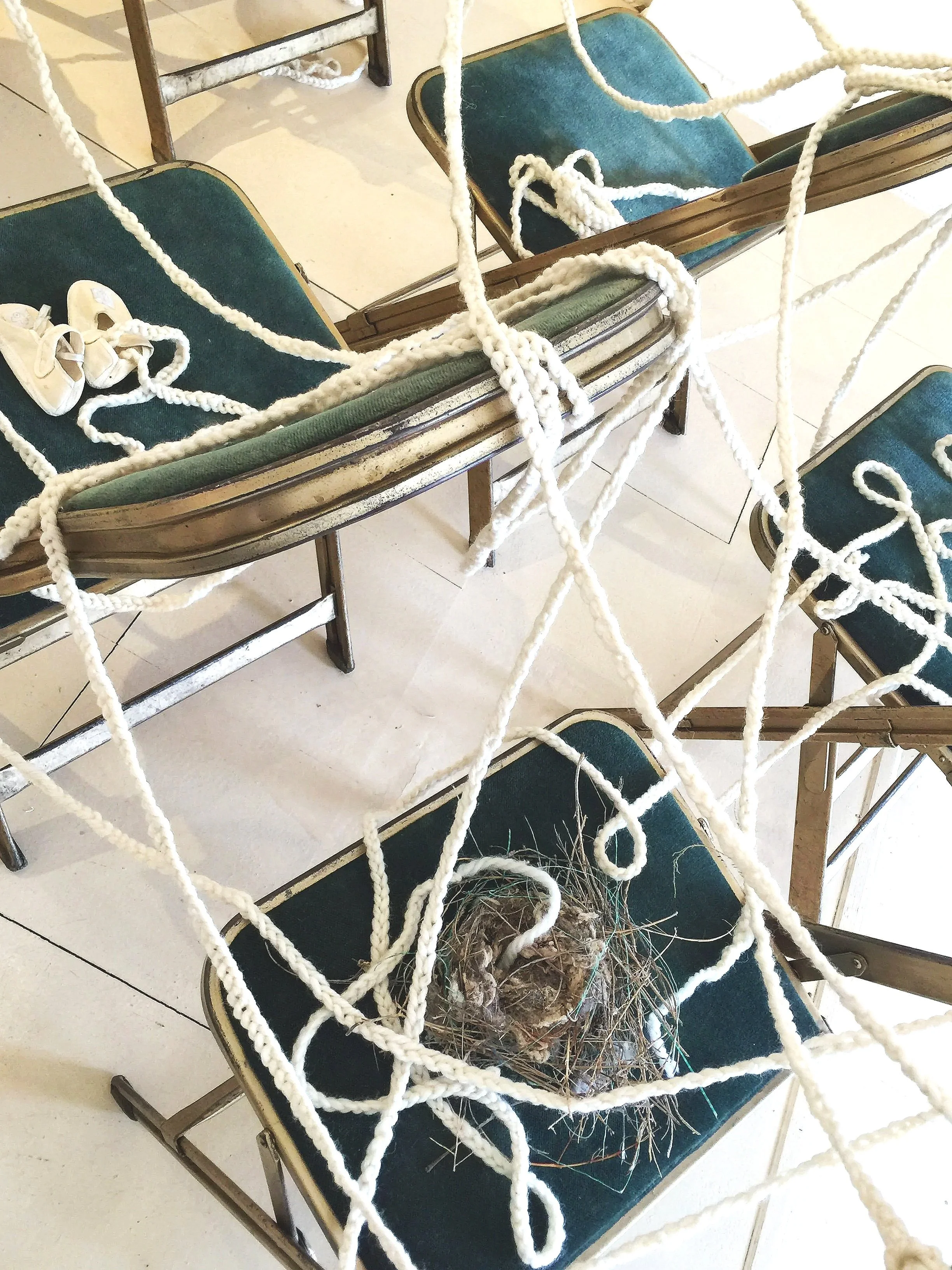
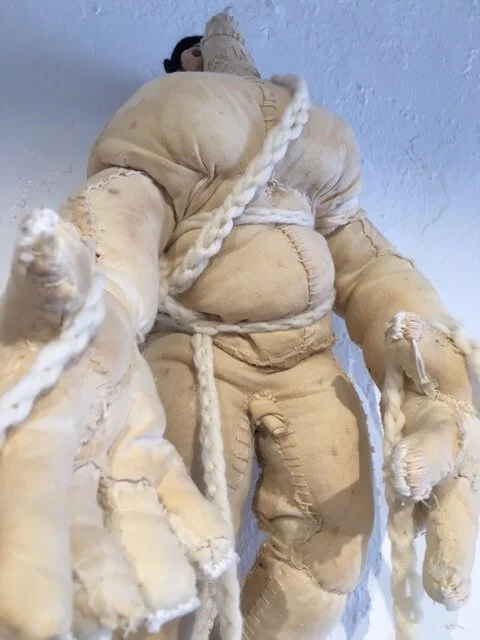
The Funeral Chairs is a room sized invitation for visitor participation: a tonal space closer to a chapel than a nursery. Empty bird’s nests sit intertwined and bound, as endometriosis, with crocheted cords. Piled on the floor rest decades of handwritten, open journals; a record of the countless prayers offered up. A patchwork textile is suspended from the ceiling, ever-growing. Although uninvited, women continue to contribute their precious objects as emotional release. I graciously accept the offerings. I sew these extensions on, so they may feel seen, and I give witness to their wounds.
How Many Medical Professionals Does It Take to Make A Baby?, is a 108”+, white cotton quilt with the embroidered names of 284 medical professionals who tried to get me pregnant. Other works contain my paintings, drawings, writings, and objects.

Did Invitro Kill Your Marriage? 30 x 40 inches · 76 cm x 102 cm Heparin and IVF Syringes, Virgin Wool
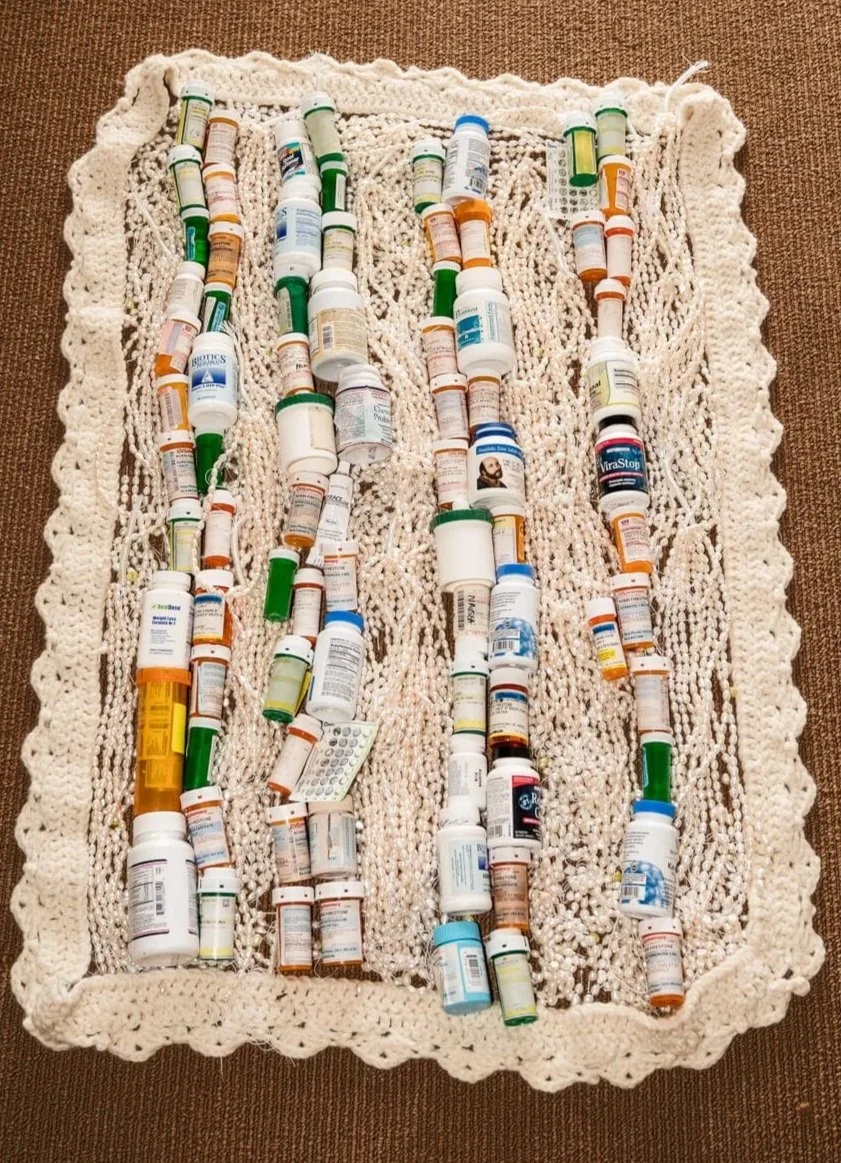
All My Hopes And Dreams Undone 30 x 40 inches · 76 cm x 102 cm Freshwater Pearls, Virgin Wool, Pill Bottles, Medical Debris
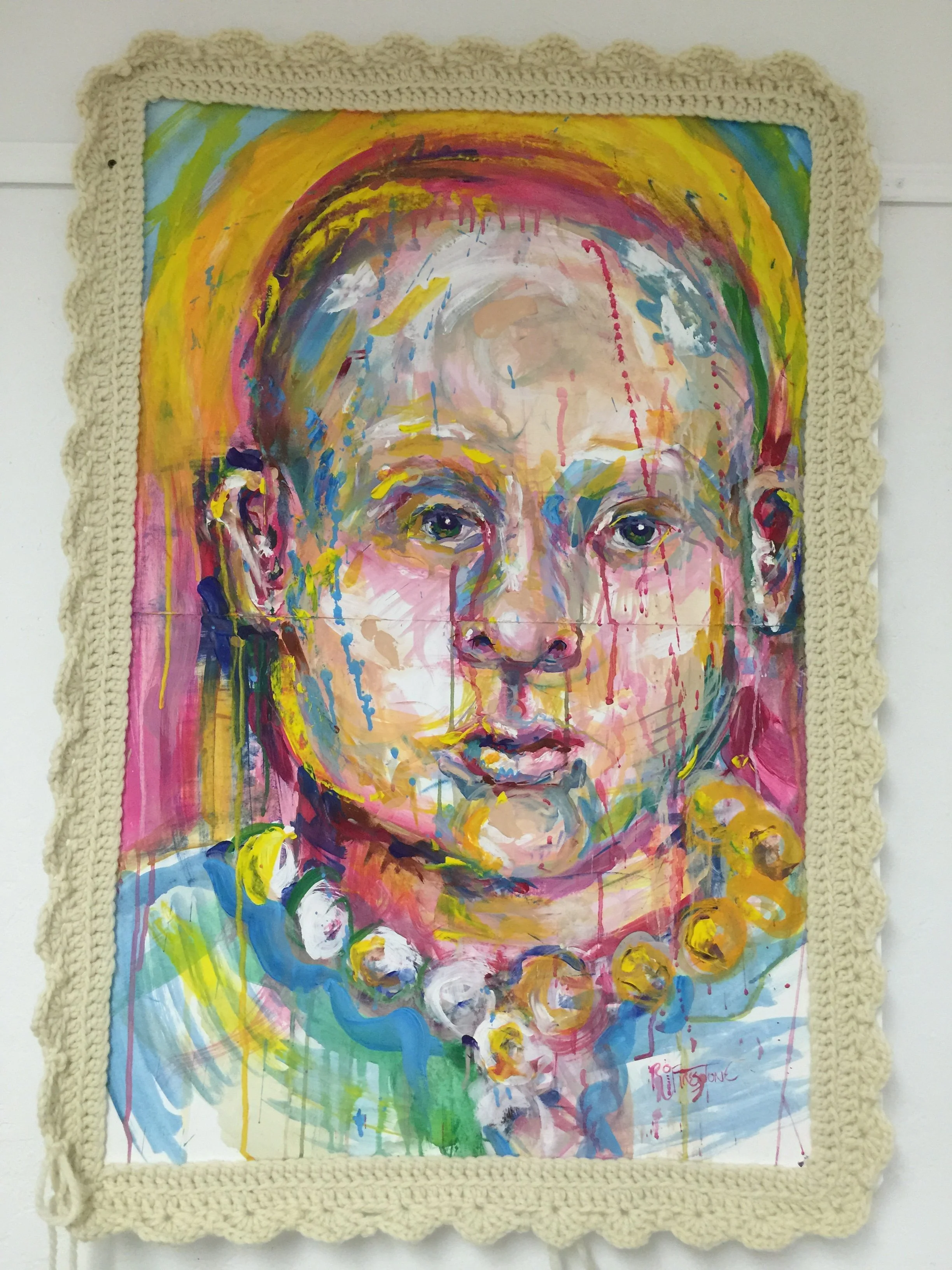
The Golden Child That Never Was 30 x 40 inches · 76 cm x 102 cm Tempera on Board, Virgin Wool
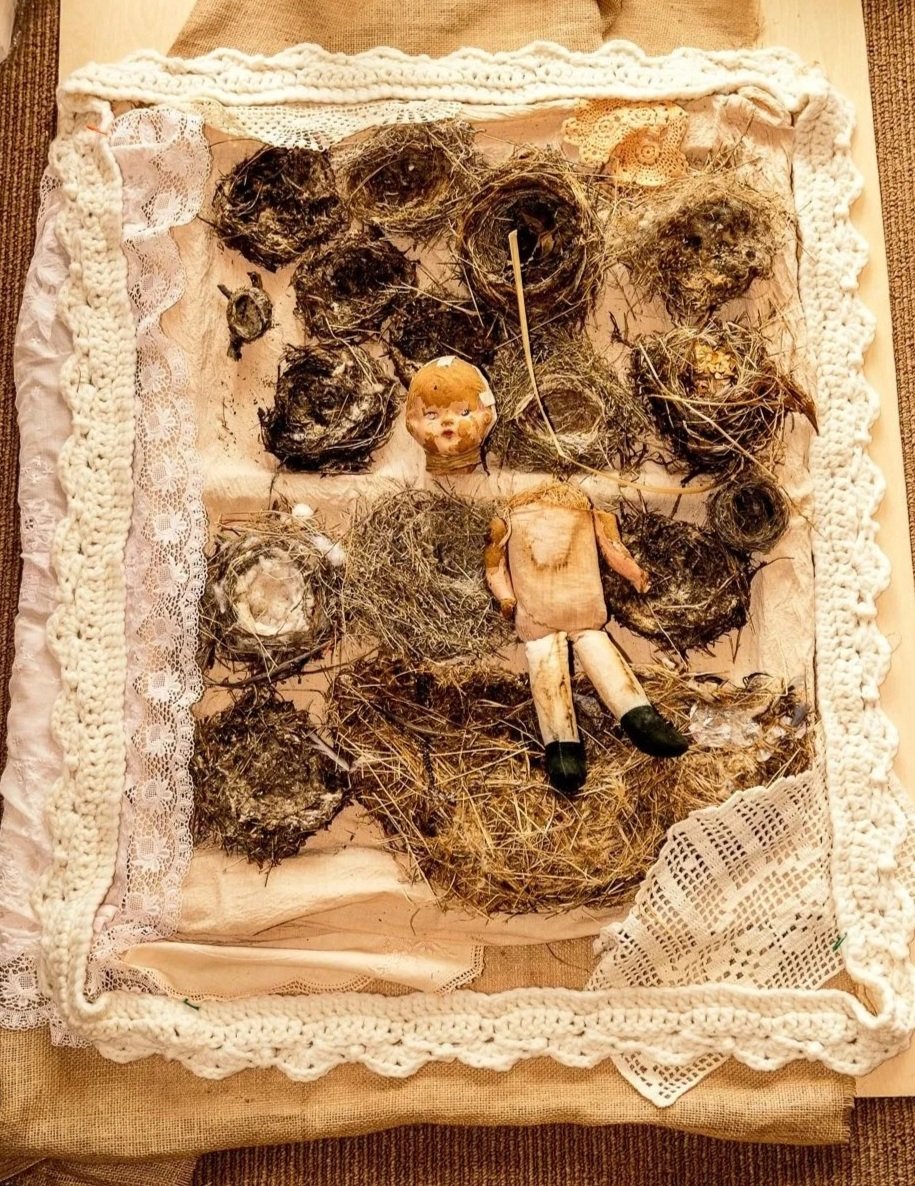
Empty Nester 30 x 40 inches · 76 cm x 102 cm Abandoned Birds' Nests, Antique Doll, Antique Doilies, Burlap, Masonite, Virgin Wool, Embroidery Thread

But Your Paintings Are Your Babies... 30 x 40 inches · 76 cm x 102 cm Pregnancy & Ovulation Tests, Oil Paint, Virgin Wool, Antique Handkerchiefs, Embroidery Thread
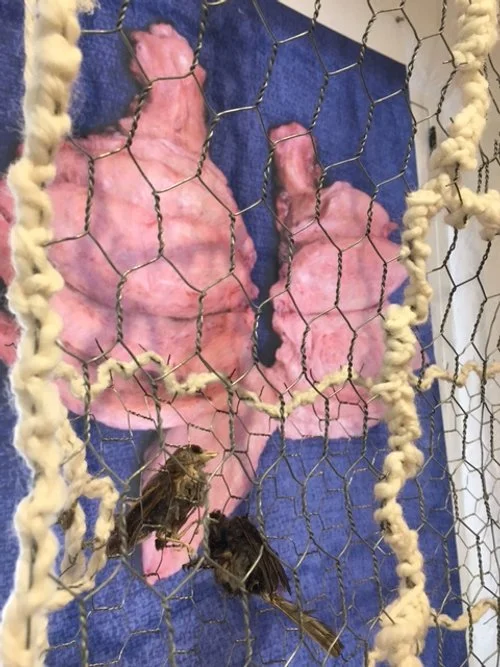
I Died With My Babies 30 x 40 inches · 76 cm x 102 cm Chicken Wire, Silk Photograph, Virgin Wool, Antique Handkerchief, Embroidery Thread, Steel Pipe, Bird Skeletons

Are You Willing To Die For Your Heart's Desires? 30 x 40 inches · 76 cm x 102 cm Blood, Medical Gauze, Virgin Wool, Antique Handkerchief, Embroidery Thread
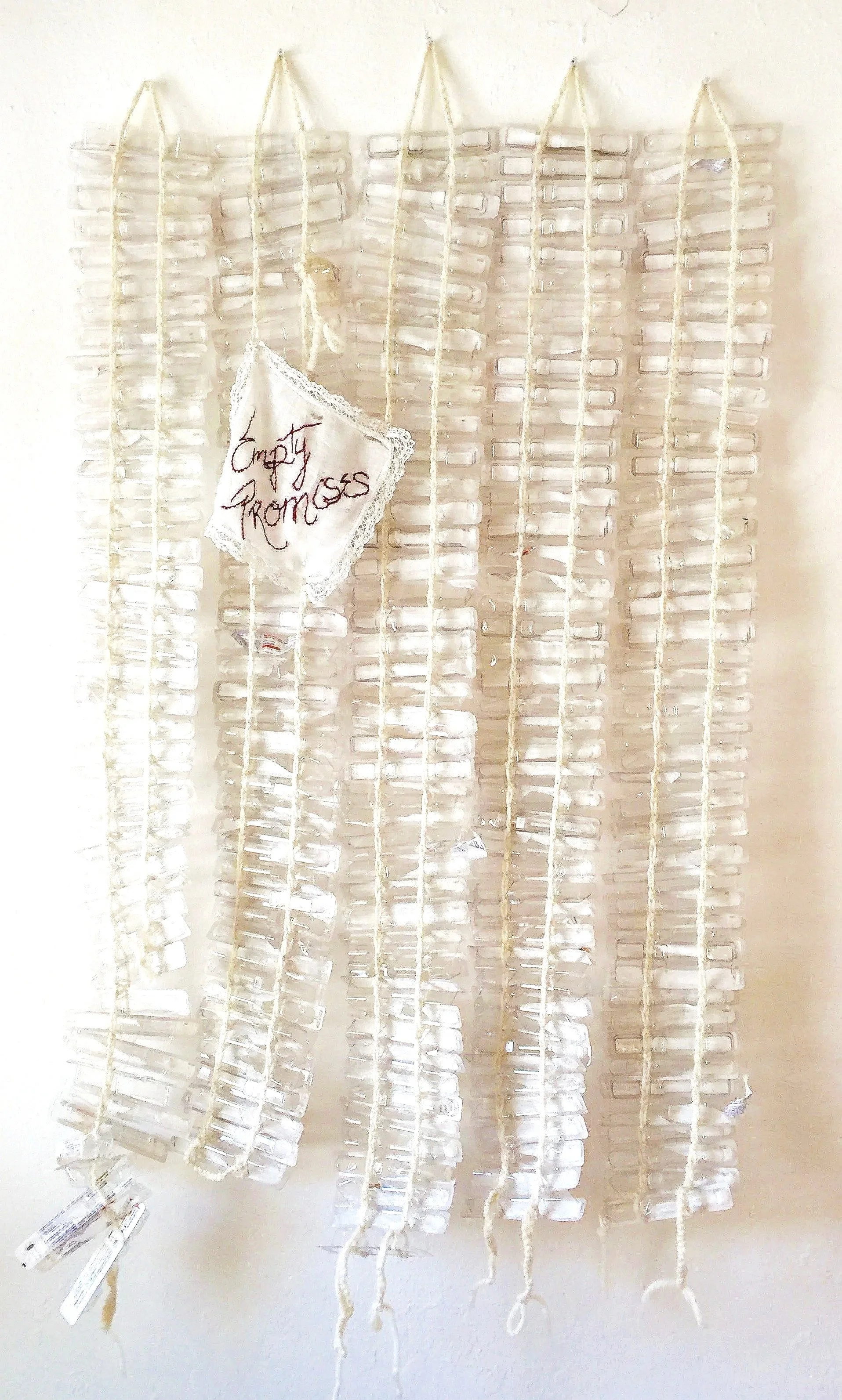
Empty Promises 30 x 40+ inches · 76 cm x 102+ cm IVF Syringe Packaging, Vintage Handkerchief, Virgin Wool, Embroidery Thread
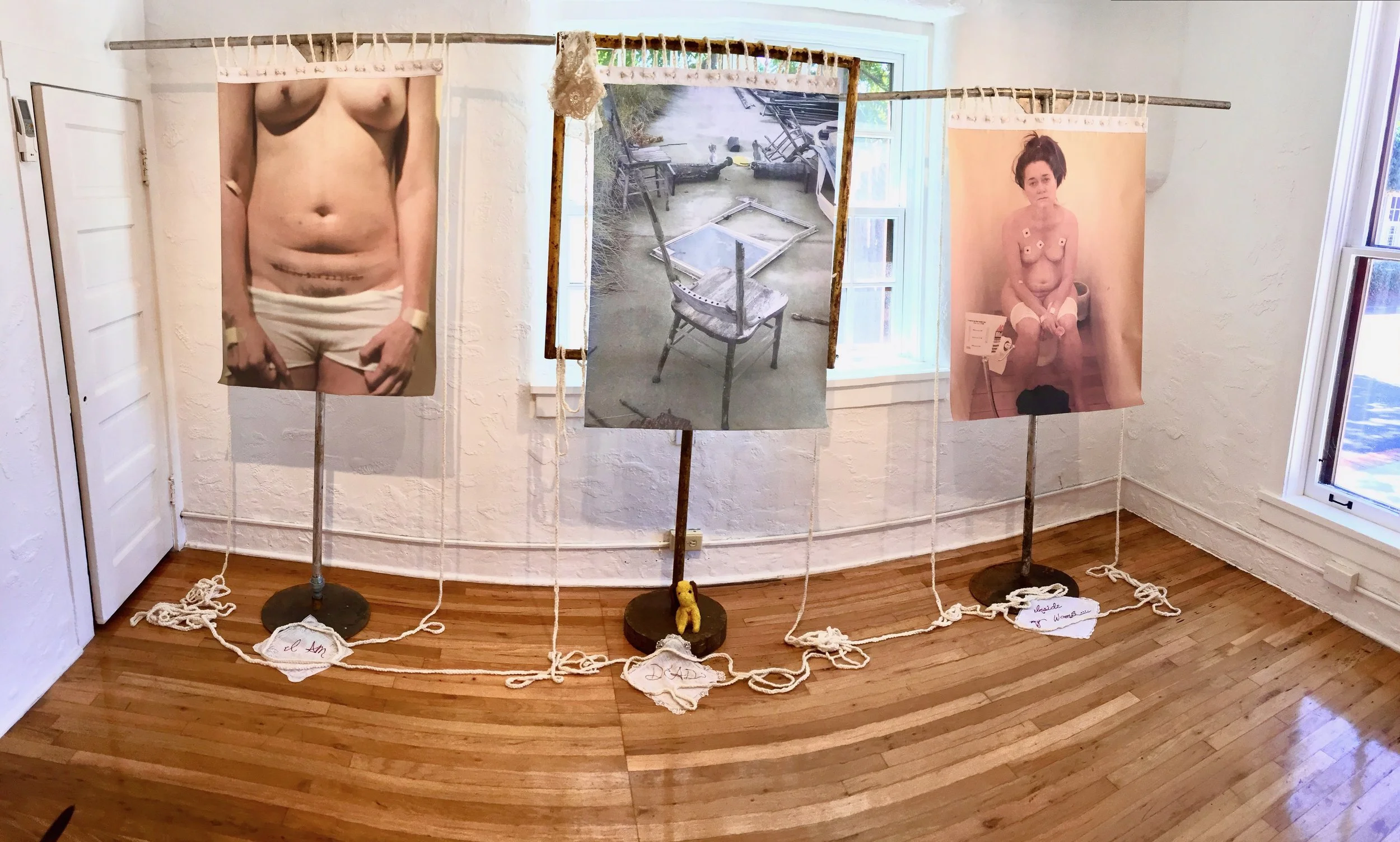
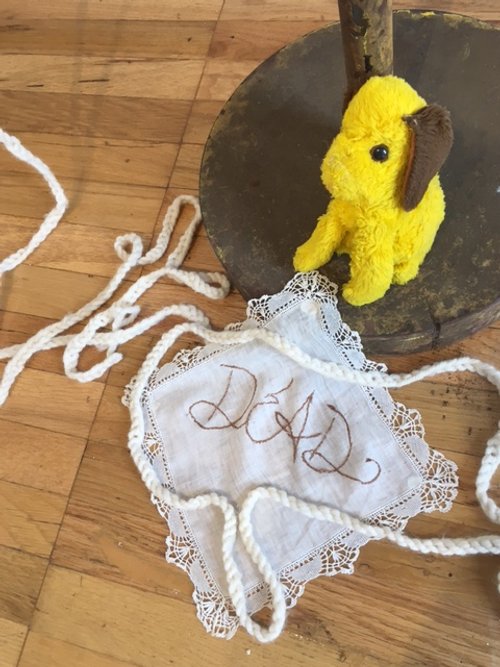
The Welders Screens 6 Feet x Variable Room Size Silk Photographs, Stuffed Toy Dog, Antique Handkerchief, Steel Welders Frames, Virgin Wool, Embroidery Thread
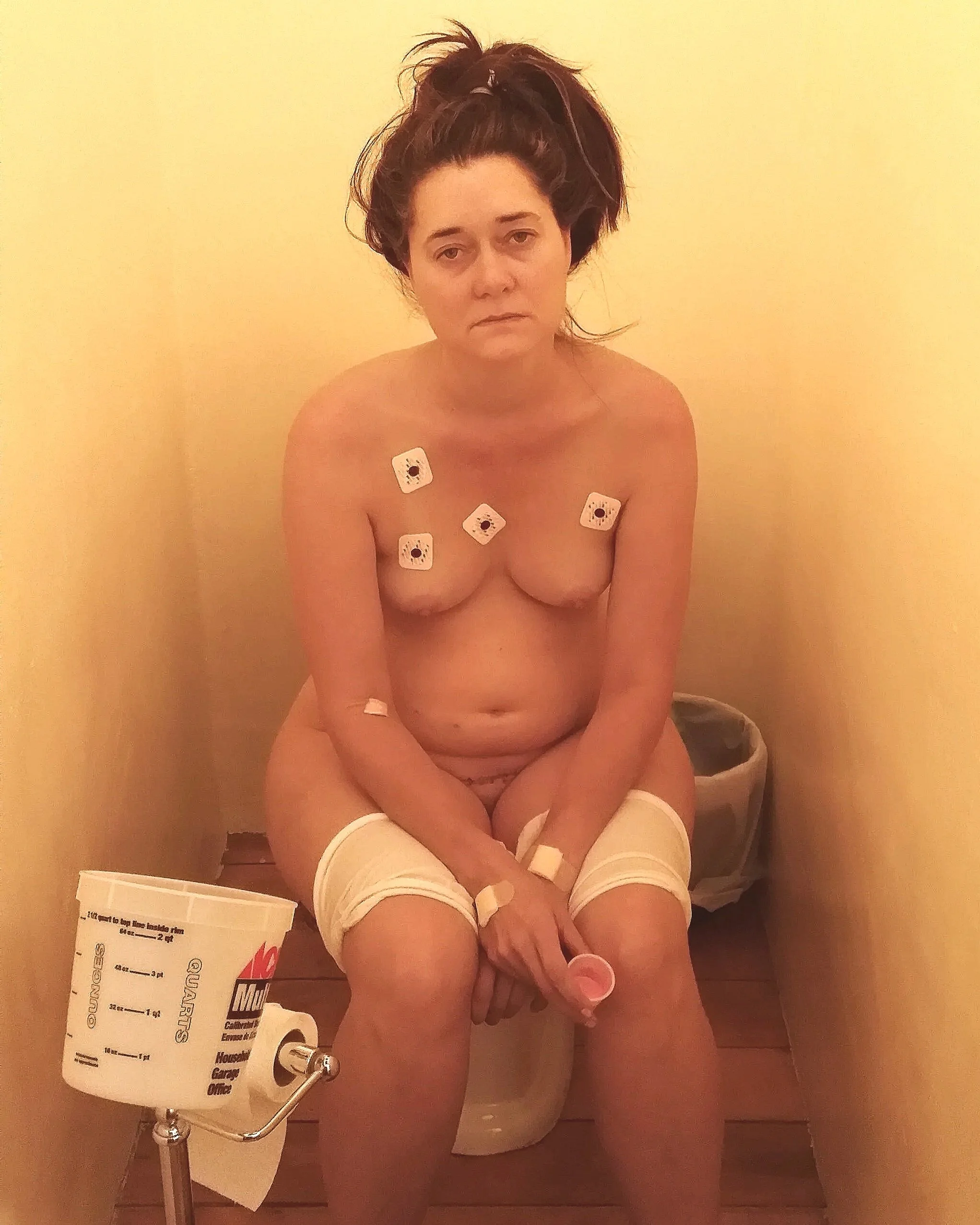
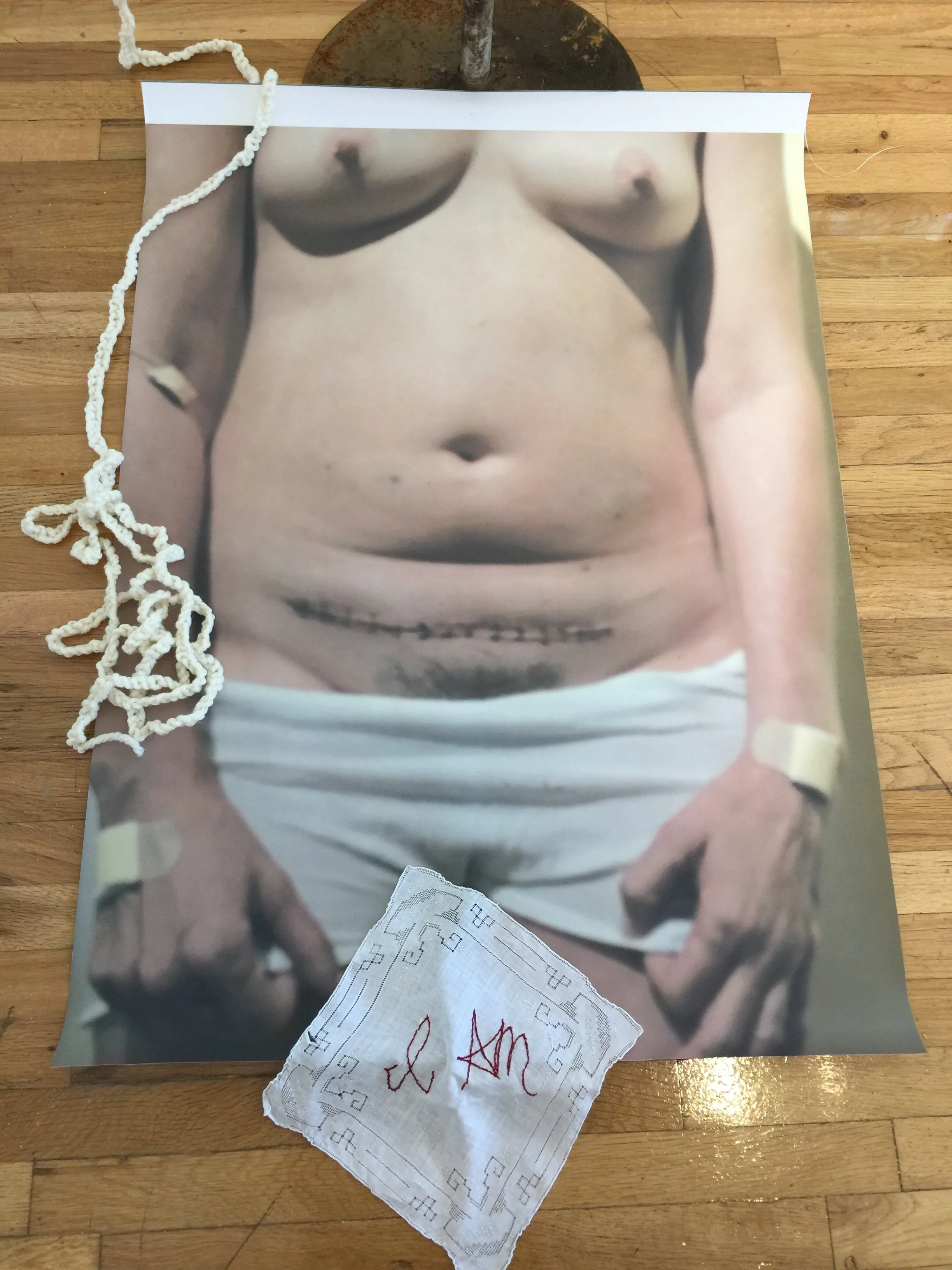
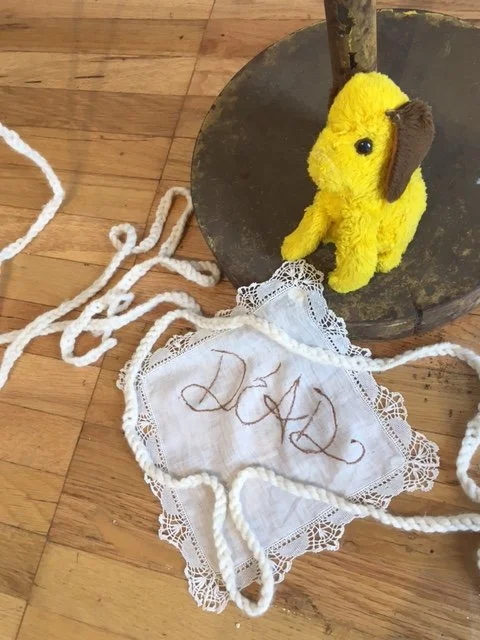
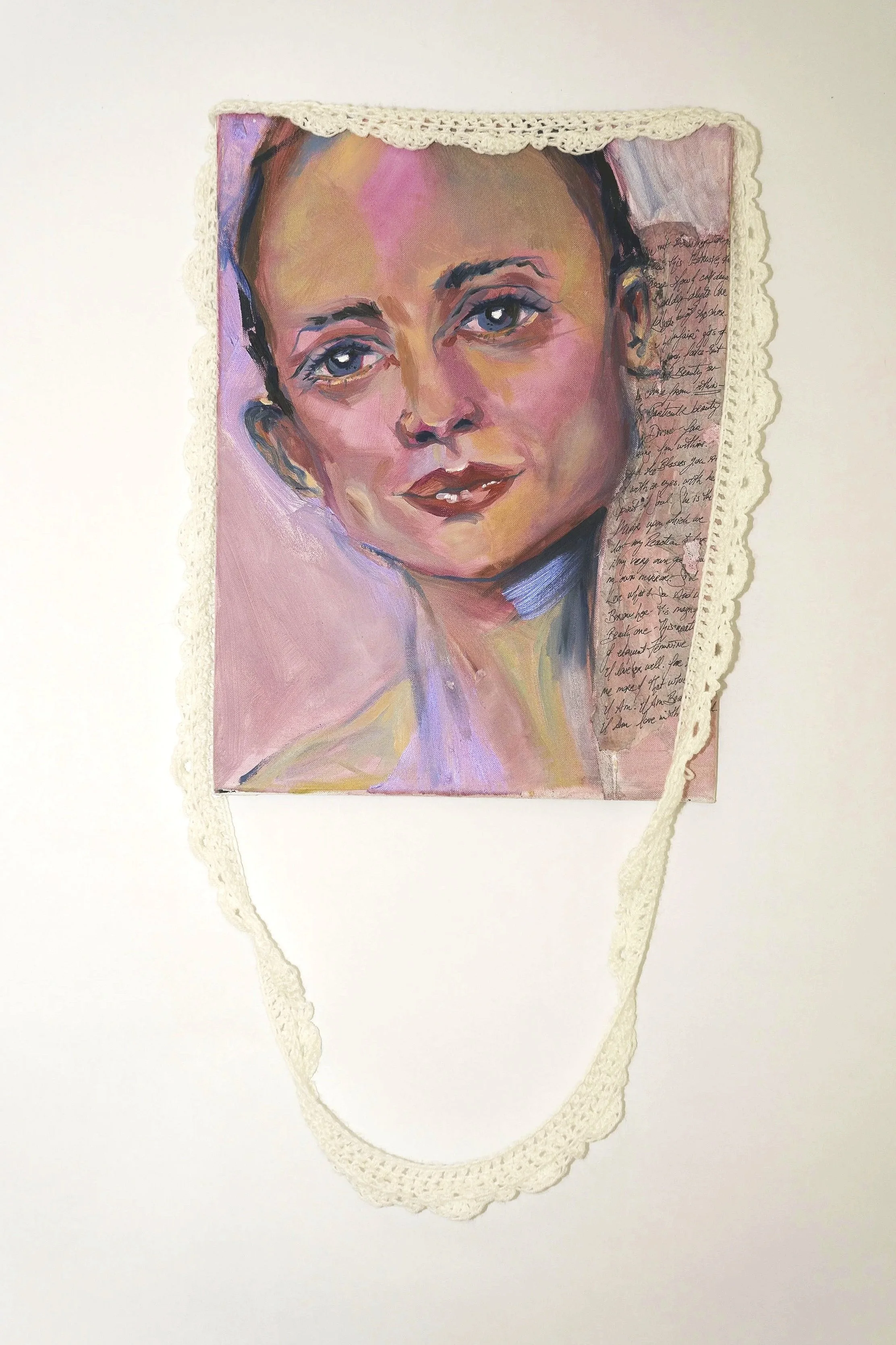
Shara: The One I Prayed For 20 x 48 inches · 50.8 cm x 121.92 cm Oil Painting on Canvas, Virgin Wool
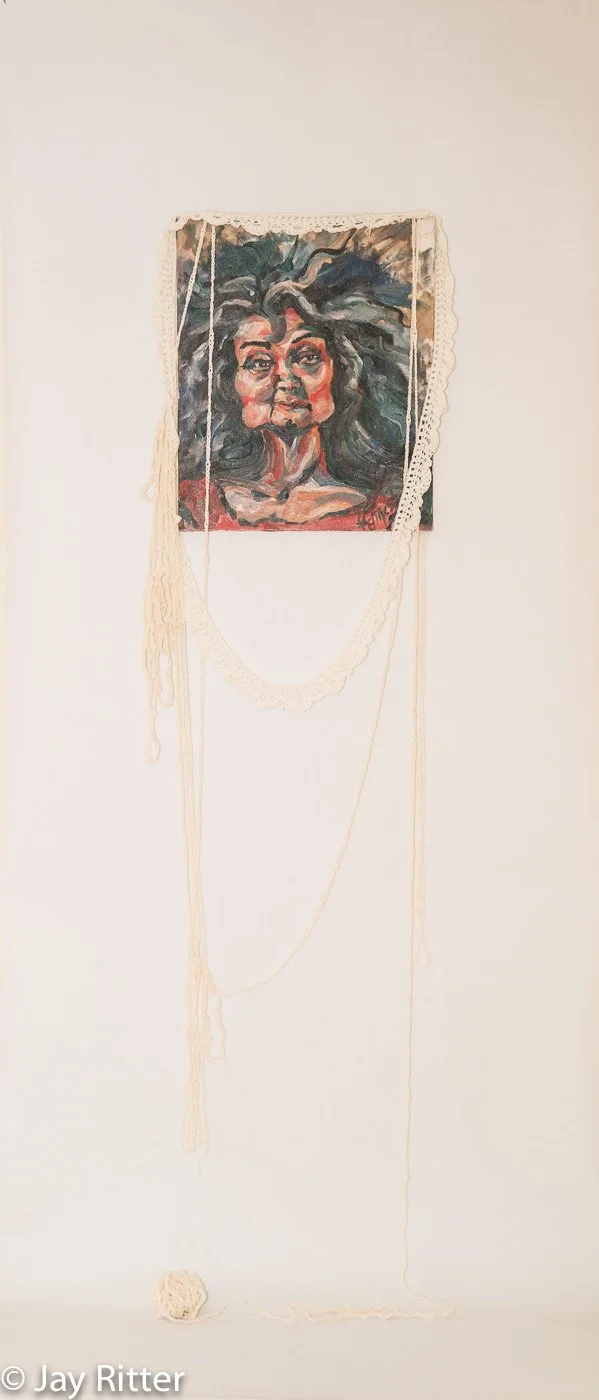
Iko: The Wise Ones Who Helped Me 18 x 24 inches · 45.72 cm x 60.96 cm Oil Painting on Canvas, Virgin Wool
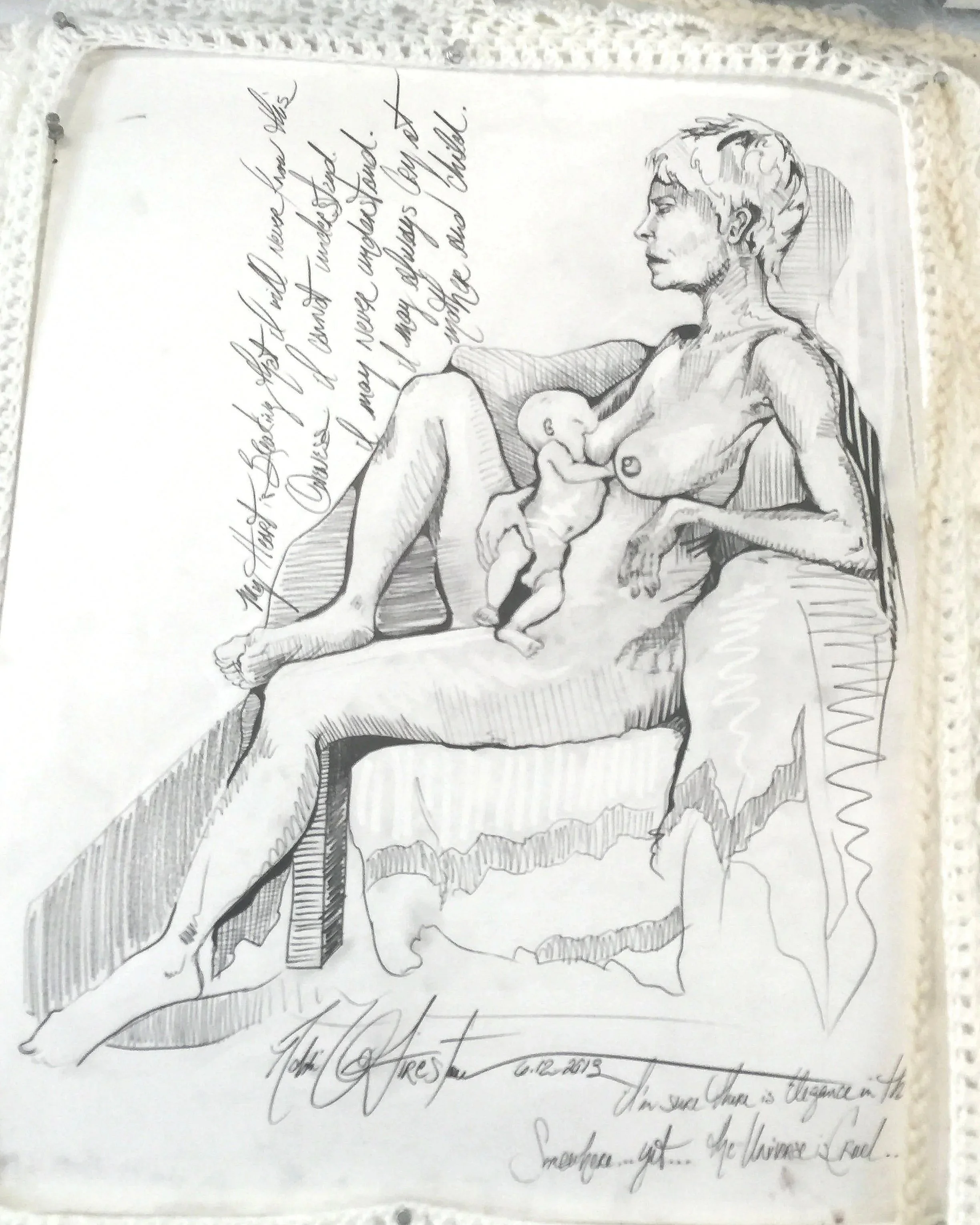
Love and Hate: To Every Woman Mother...(Detail) Visitor Journaling Shrine · 7 Feet High x Variable Room Dimensions Antique Doilies, Embroidery Thread, Antique Handkerchiefs, Handwritten Note, Graphite Drawings on Bristol Paper, Virgin Wool, Mannequin
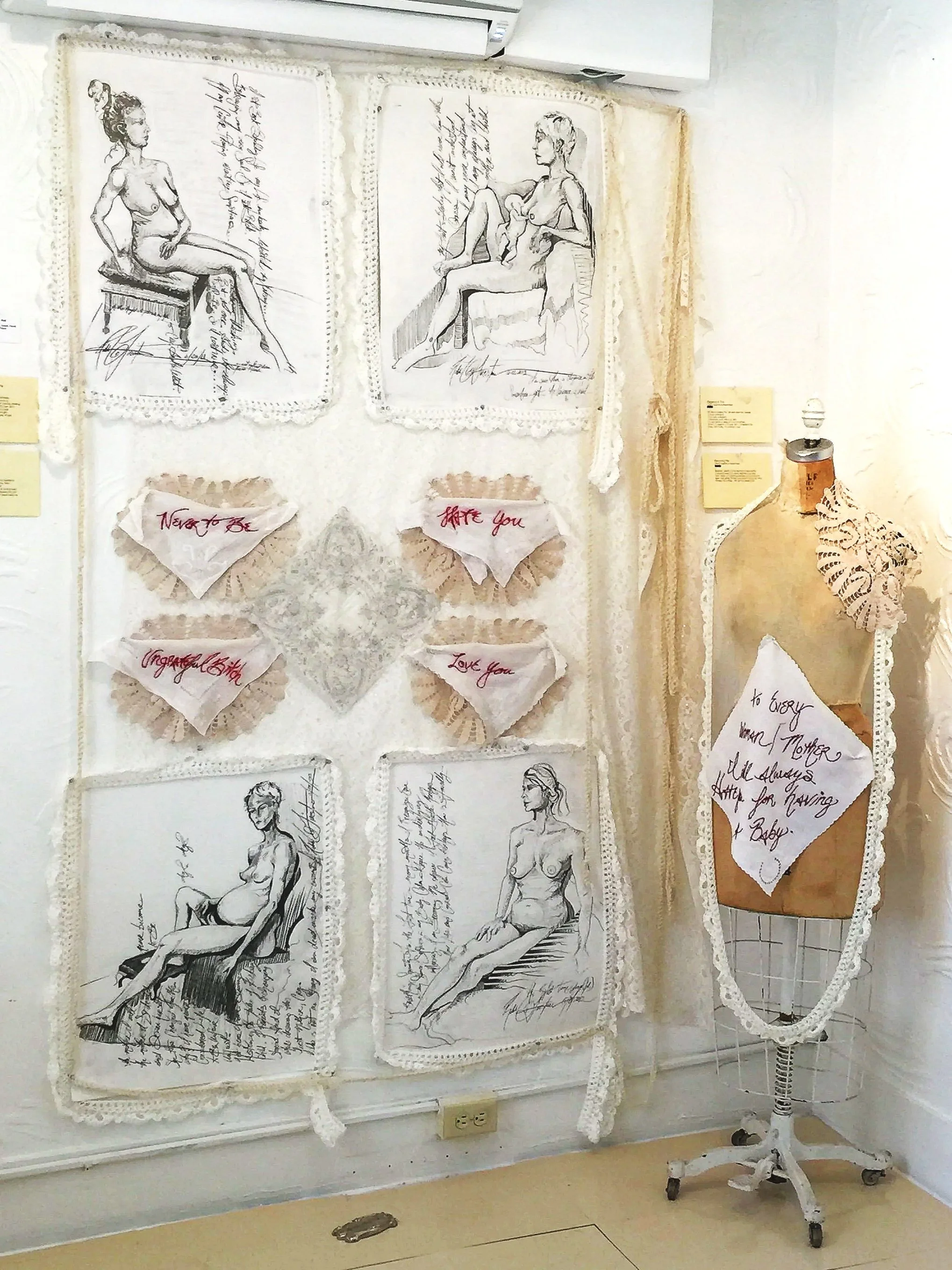
Love and Hate: To Every Woman Mother... Visitor Journaling Shrine · 7 Feet High x Variable Room Dimensions Antique Doilies, Embroidery Thread, Antique Handkerchiefs, Handwritten Note, Graphite Drawings on Bristol Paper, Virgin Wool, Mannequin
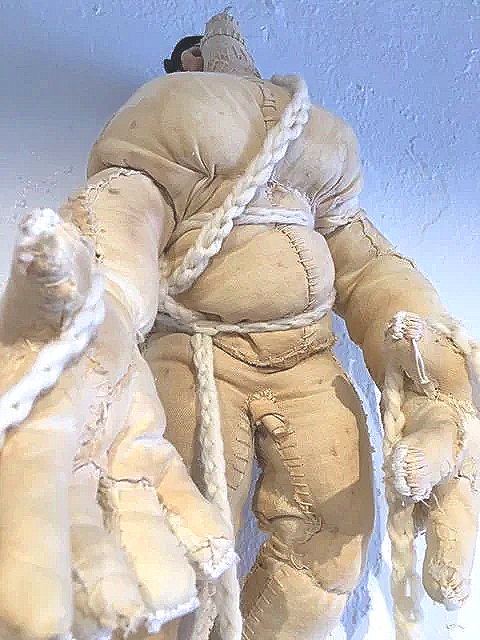
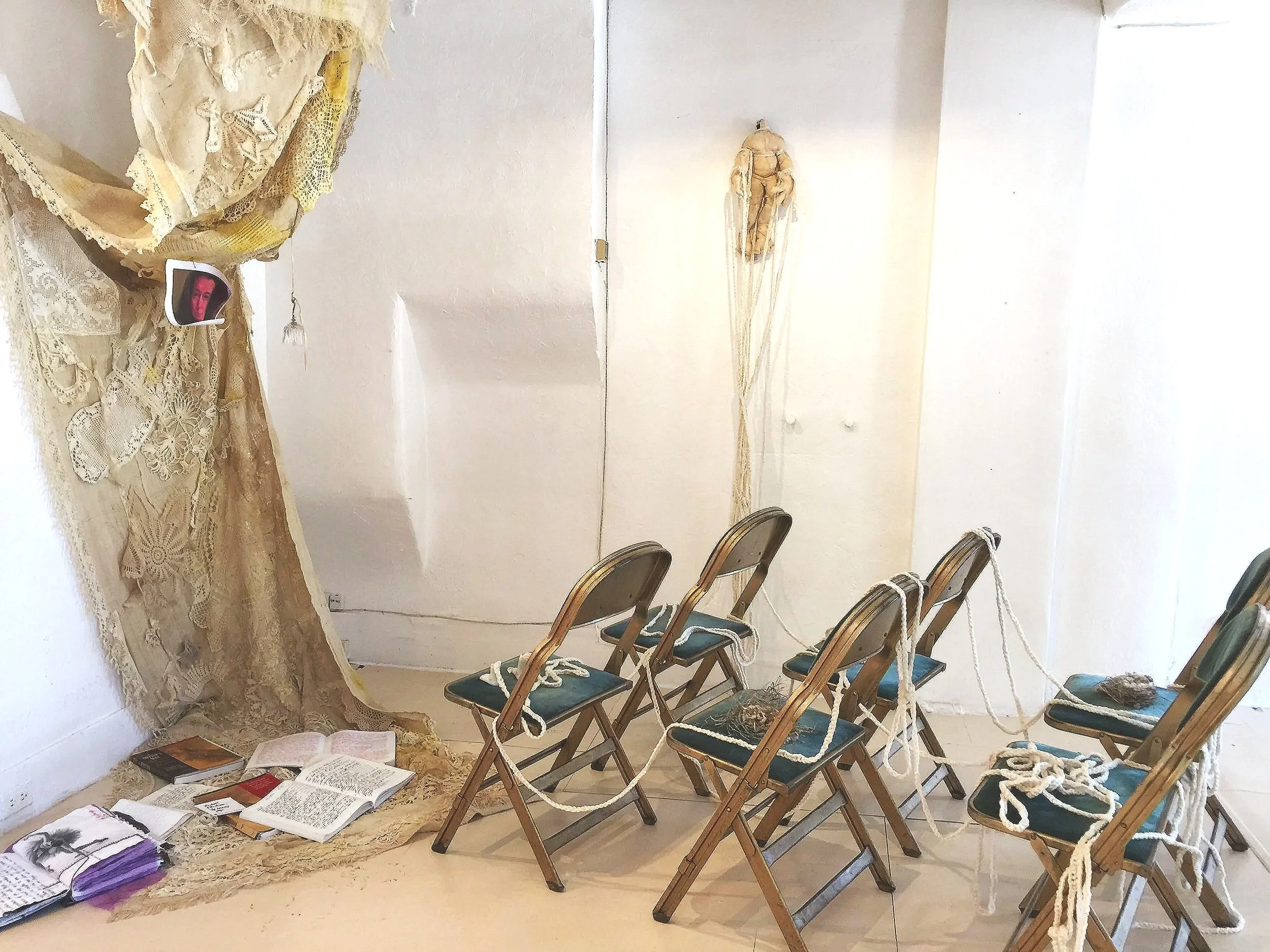
The Funeral Chairs: Honoring Valentino Lightning Variable Room Size · Participatory Velvet Funeral Home Chairs, Abandoned Birds' Nests, Virgin Wool, Burlap, Hand-Sewn Doll, Artist's Written & Art Journals
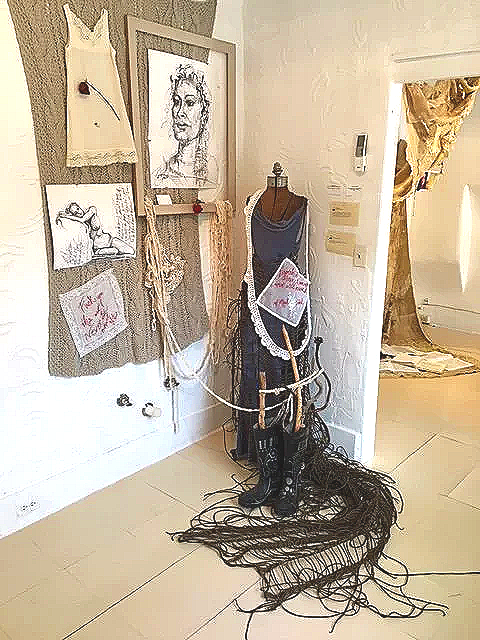
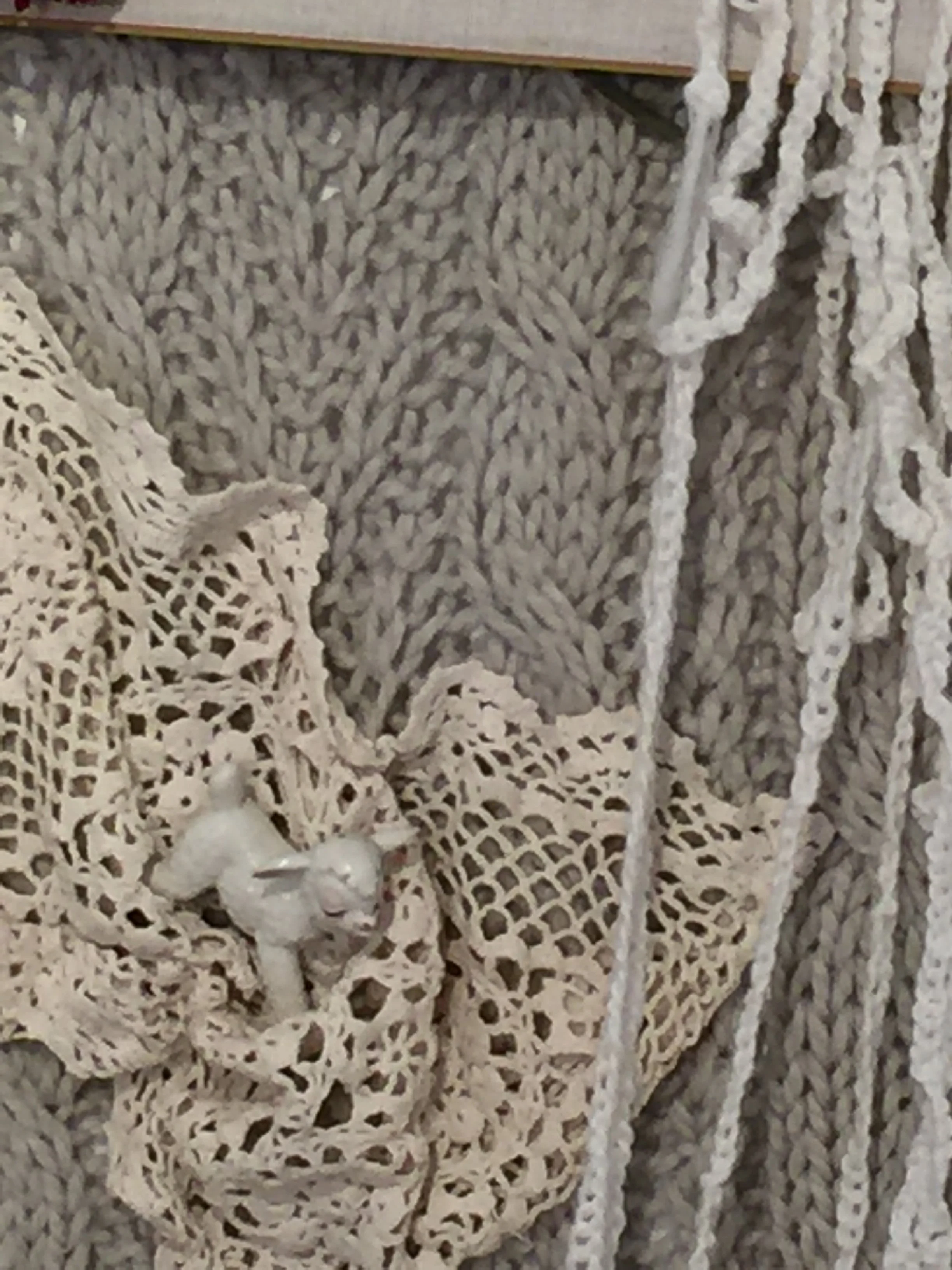
The Innocent Lamb Visitor Journaling Shrine · 7' Wall x Variable Room Dimensions Handmade Quilt, Silk Nightgown, Handwritten Note, Antique Leather Horse Show Harness, Frame, Dried Flower, Sticks & Stones, Graphite Drawings on Bristol Paper, Virgin Wool, Mannequin
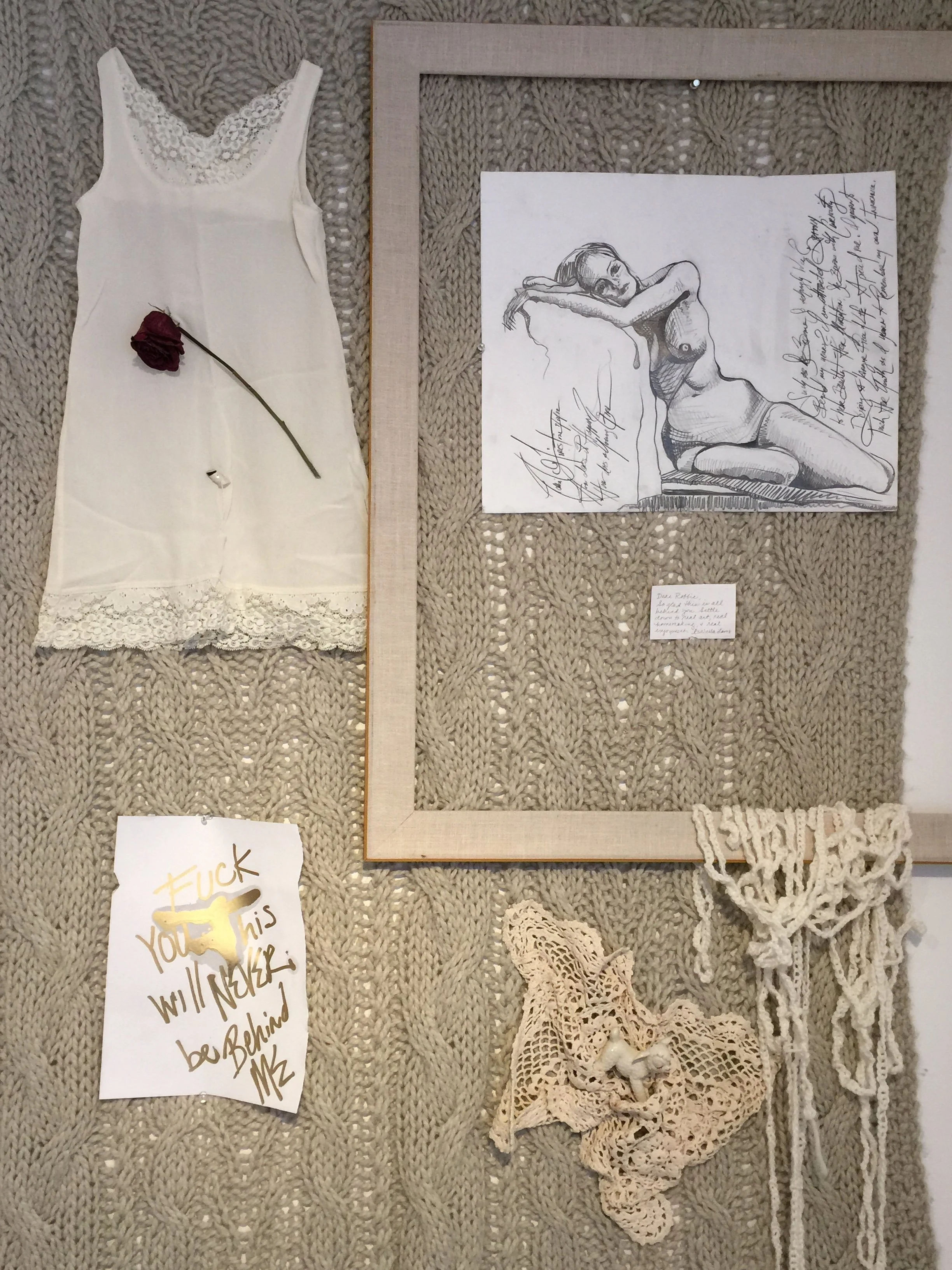
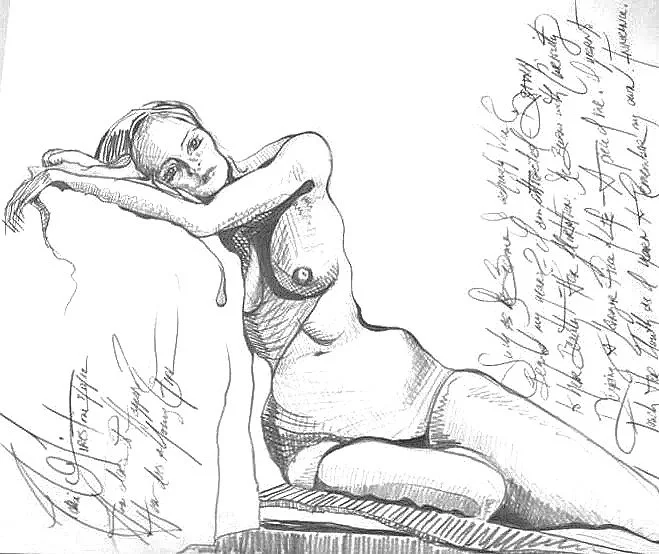
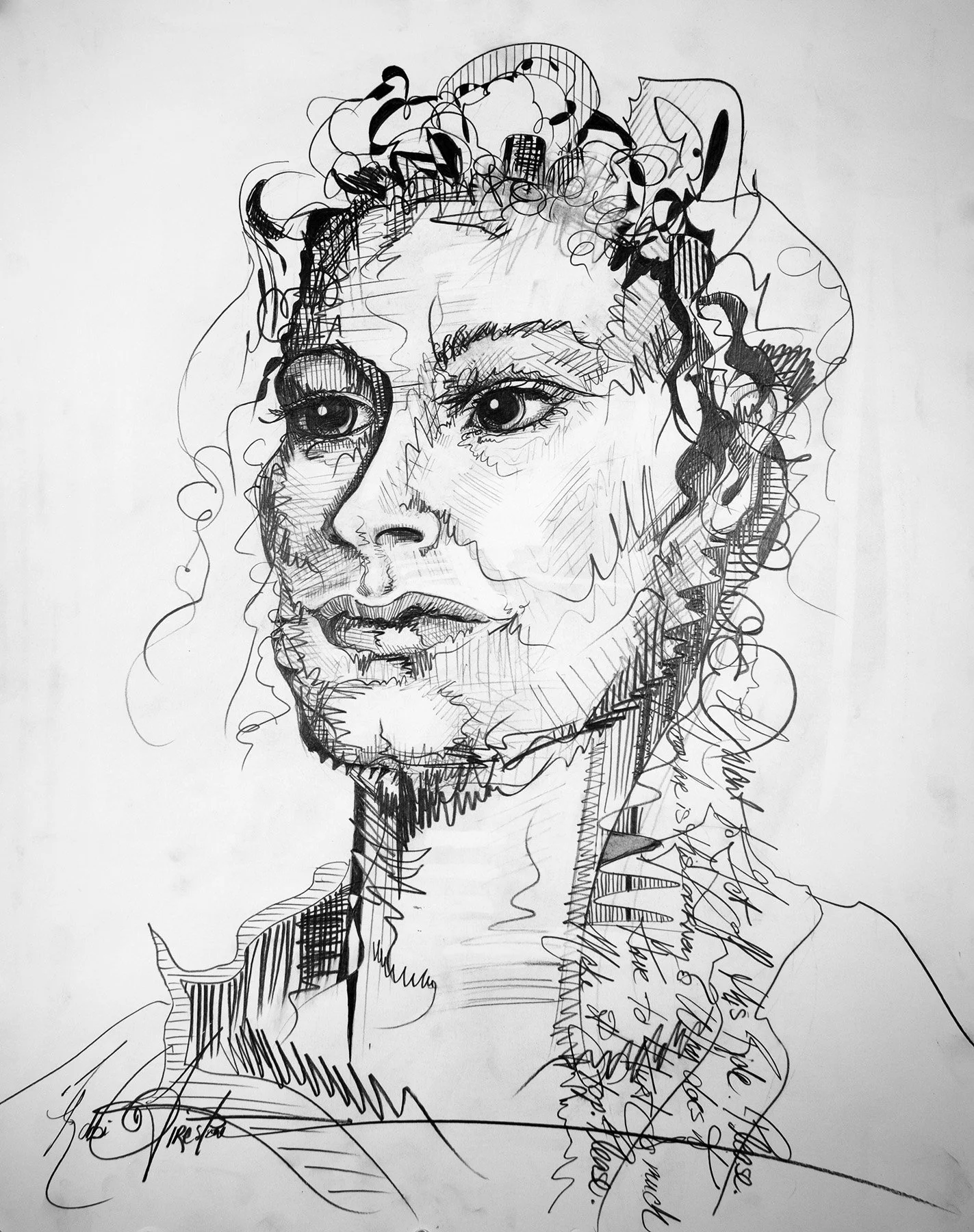
The Innocent Lamb: Closeup, Exhaustion 18 x 24 inches · 45.72 cm x 60.96 cm Graphite Drawing on Bristol Paper
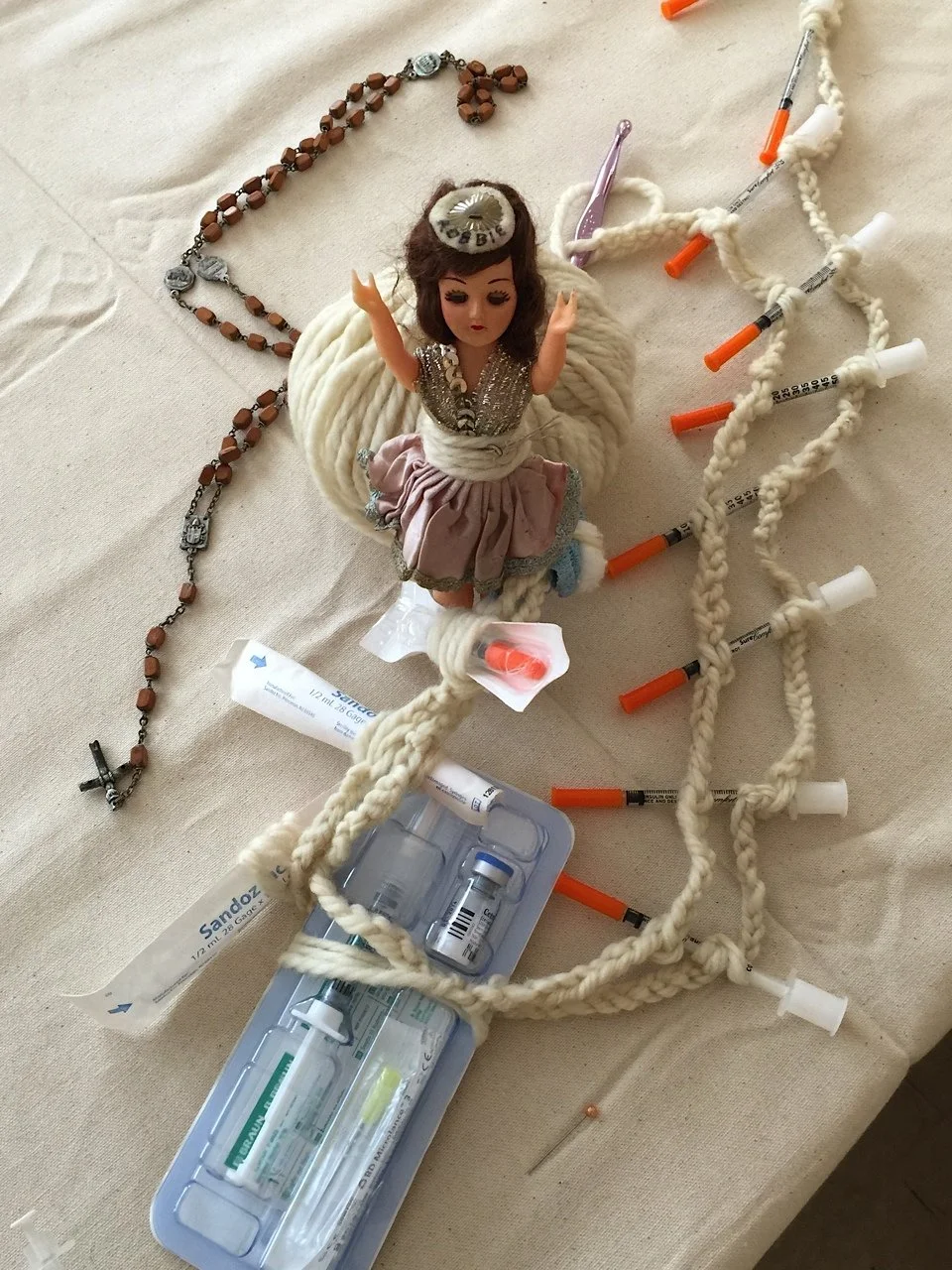
The Infertility Rosary (Detail) 7' x 6' Printed Hysterectomy Report on Paper, Drawing on Journal Paper, Vacutainers, Antique Doll, Silk Ribbon, IVF Syringes, Virgin Wool, Torn Vellum
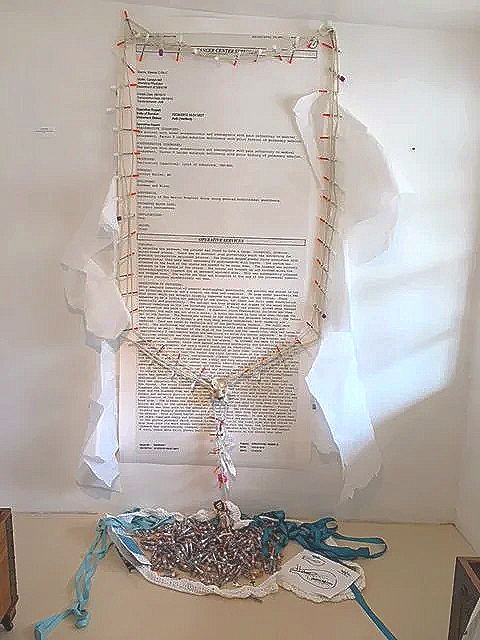
The Infertility Rosary 7' x 6' Printed Hysterectomy Report on Paper, Drawing on Journal Paper, Vacutainers, Antique Doll, Silk Ribbon, IVF Syringes, Virgin Wool, Torn Vellum
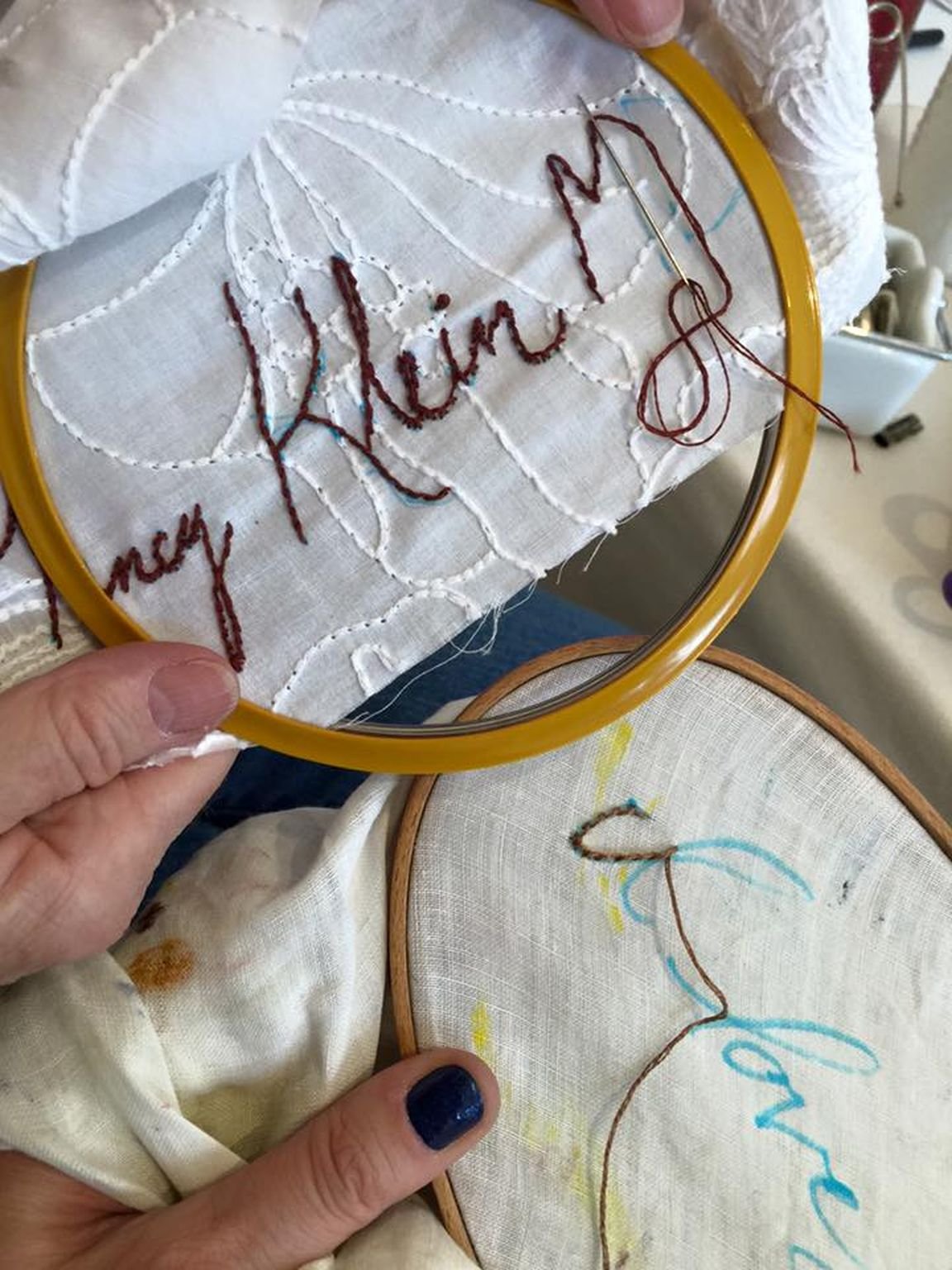
How Many Medical Professionals Does It Take to Make A Baby? (Detail) 5' x Variable Quilt Length, Length To Come Cotton Fabric, Embroidery Thread, Virgin Wool
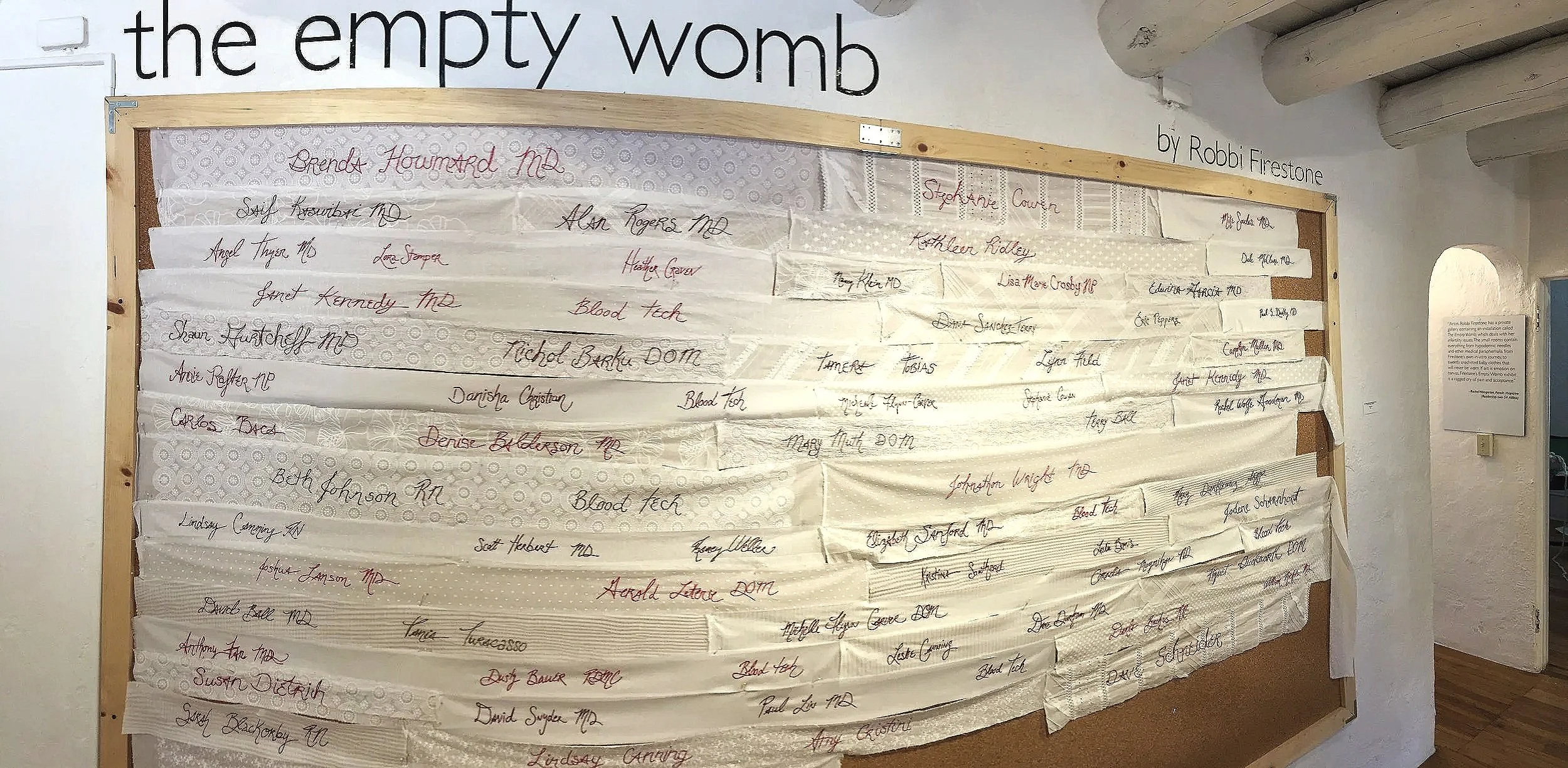
How Many Medical Professionals Does It Take to Make A Baby? 5' x Variable Quilt Length, Length To Come Cotton Fabric, Embroidery Thread, Virgin Wool
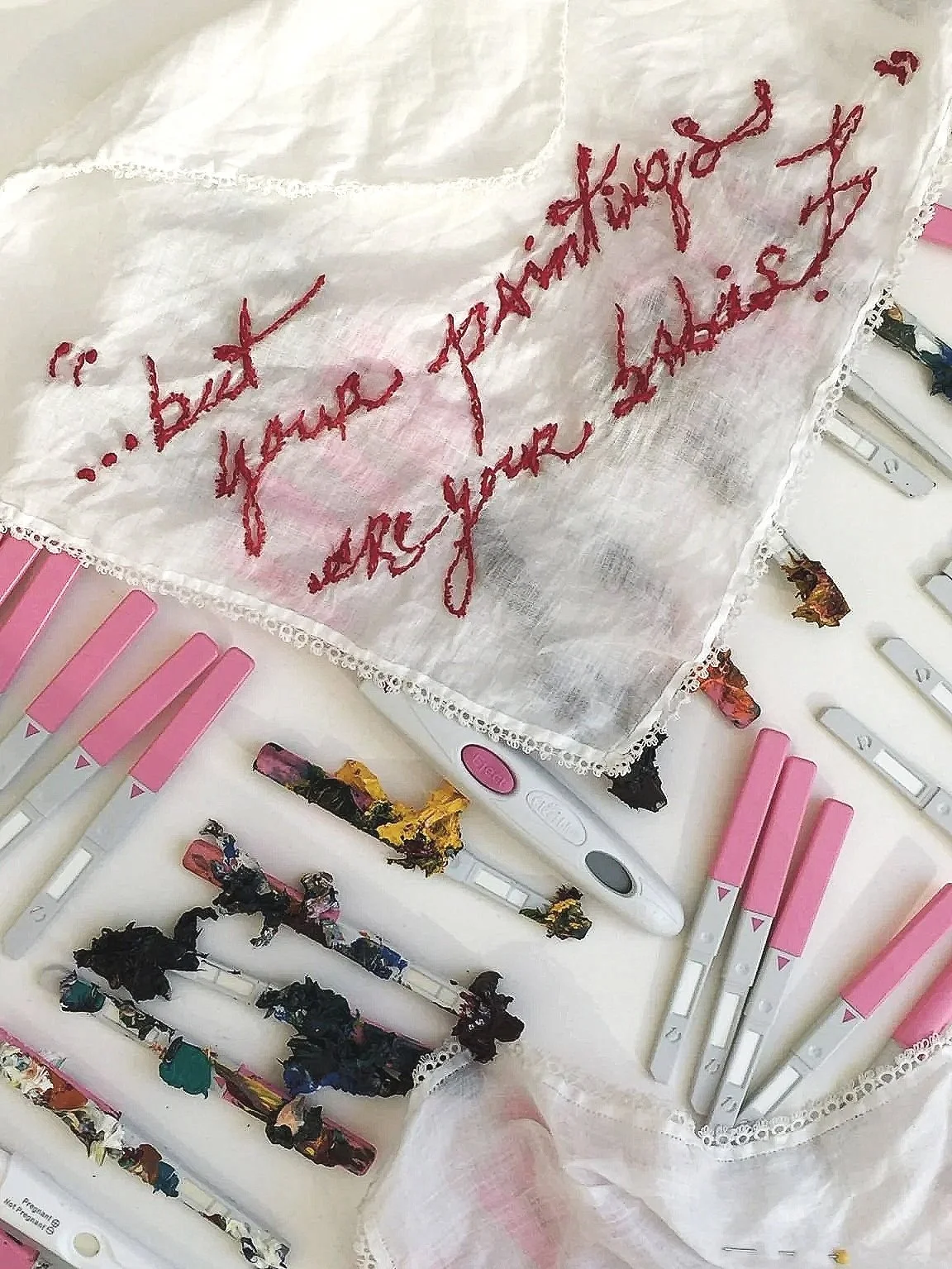
But Your Paintings Are Your Babies...(Detail) 30 x 40 inches · 76 cm x 102 cm Pregnancy & Ovulation Tests, Oil Paint, Virgin Wool, Antique Handkerchiefs, Embroidery Thread
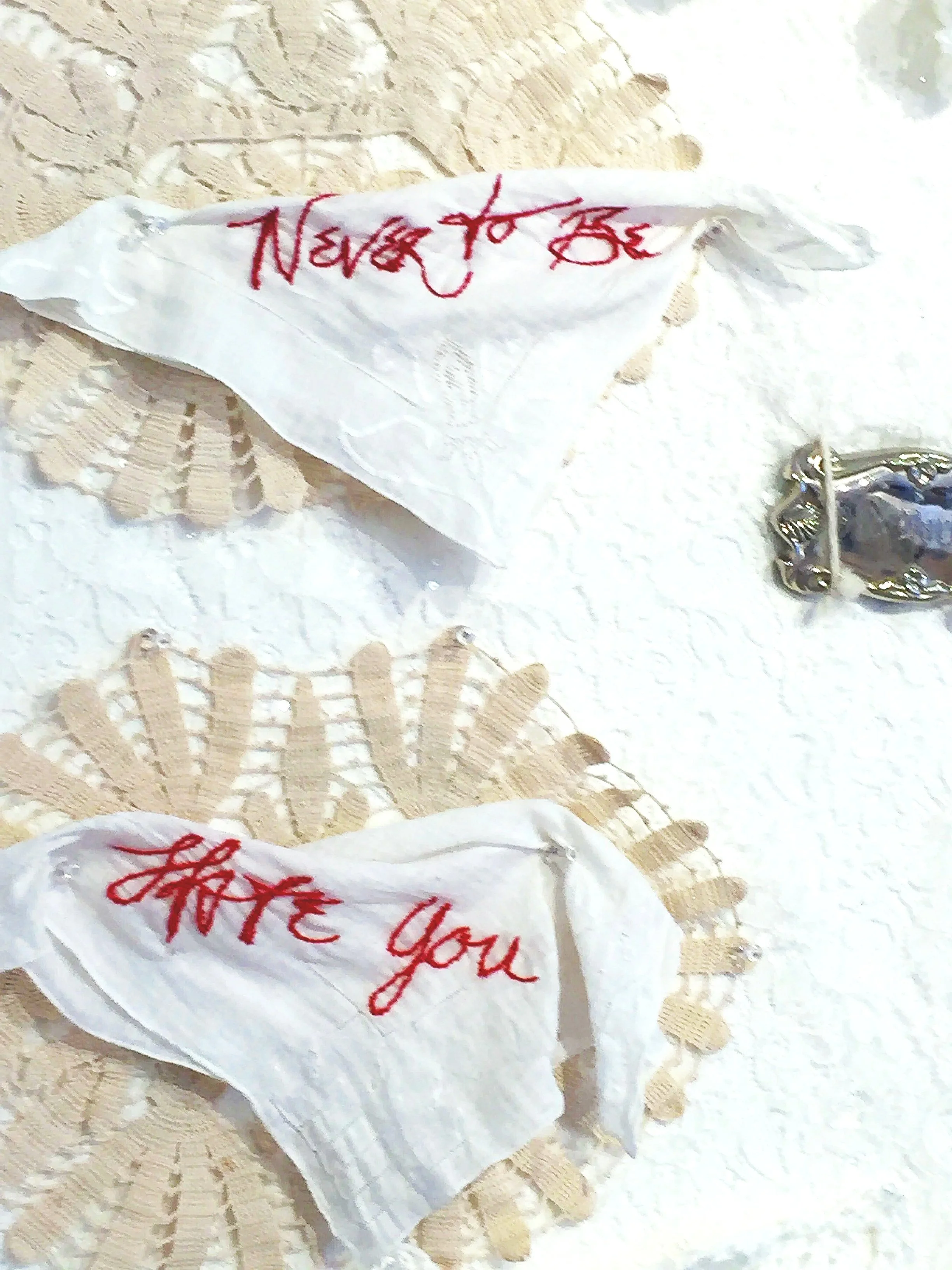
Love and Hate: To Every Woman Mother...(Detail) Visitor Journaling Shrine · 7 Feet High x Variable Room Dimensions Antique Doilies, Embroidery Thread, Antique Handkerchiefs, Handwritten Note, Graphite Drawings on Bristol Paper, Virgin Wool, Mannequin
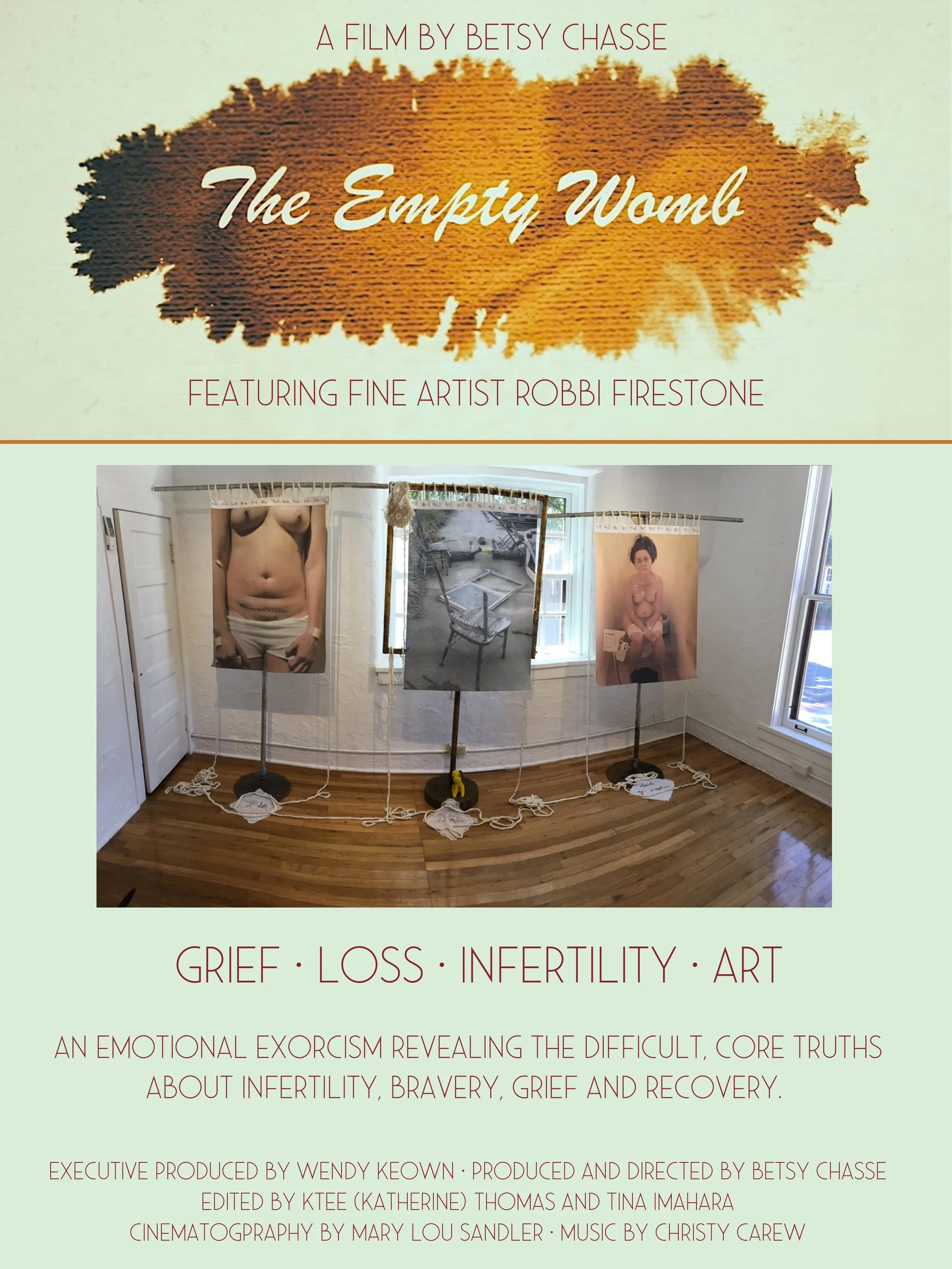
The Empty Womb 18 Minute Documentary by Betsy Chasse
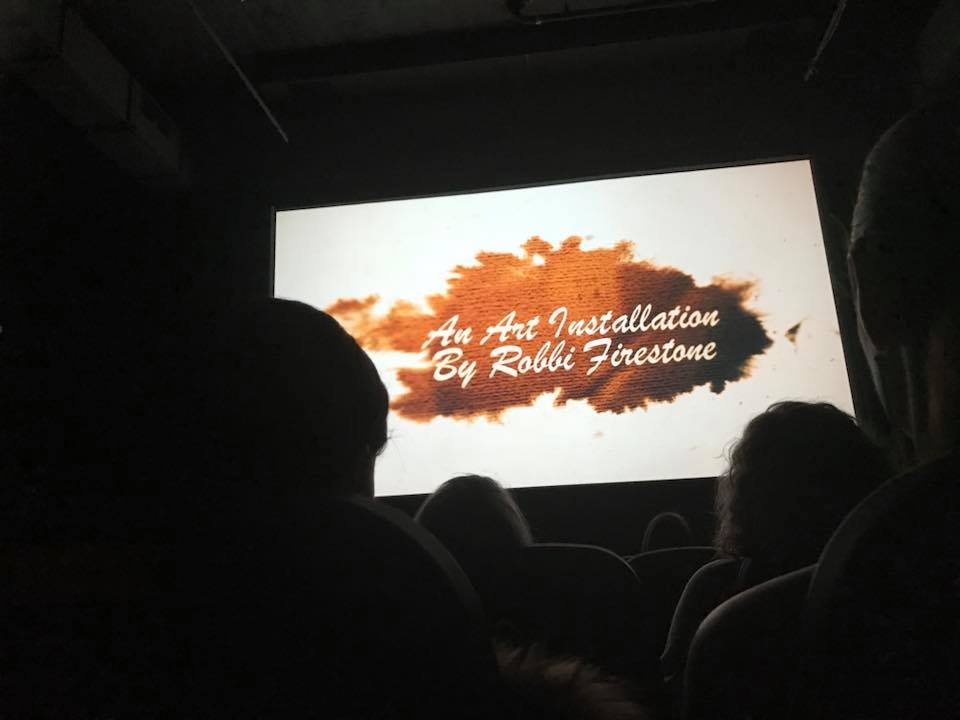
The Empty Womb: Screening in Theatre 18 Minute Documentary by Betsy Chasse An Art Installation by Artist Robbi Firestone
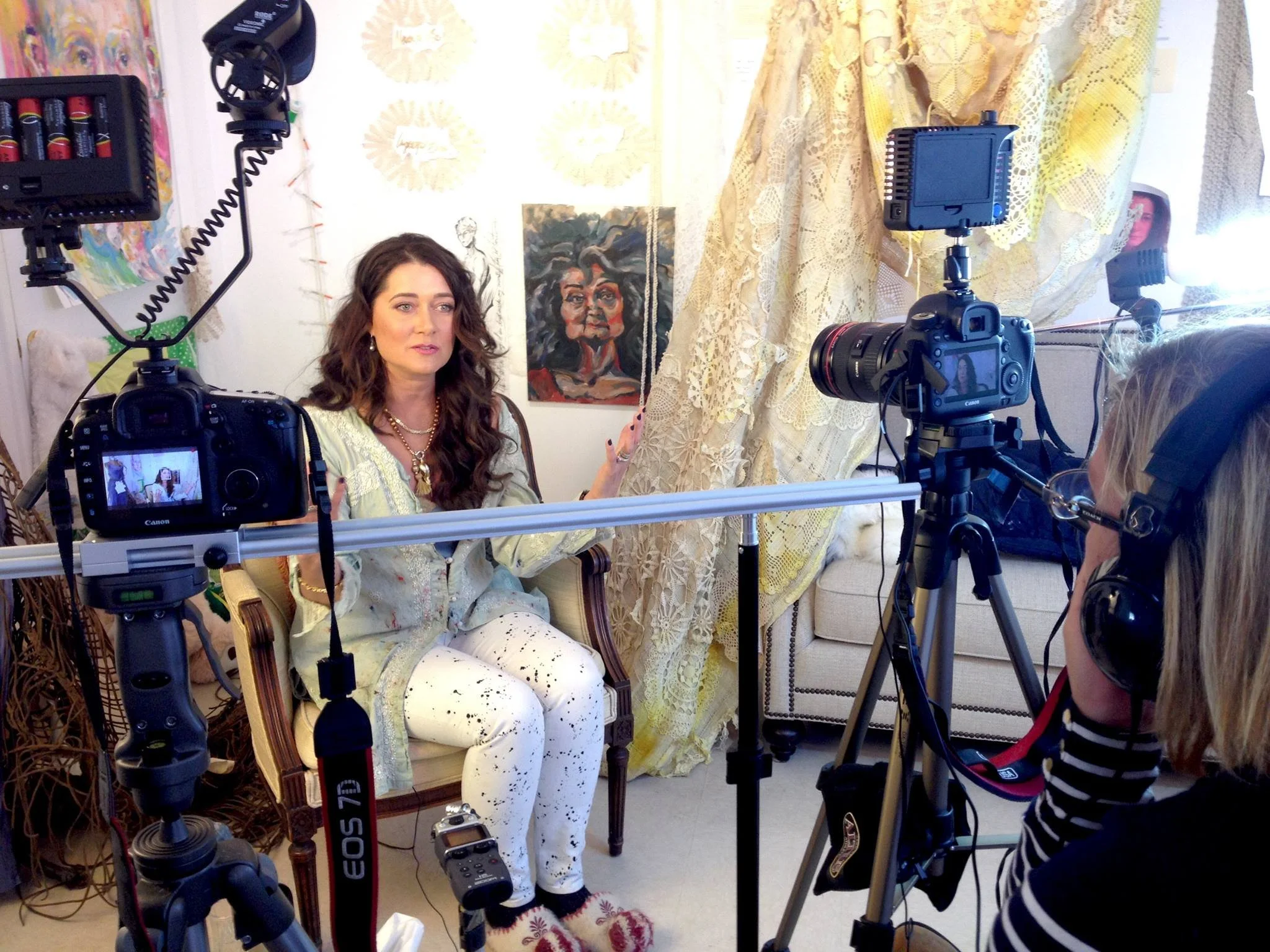
The Empty Womb: Shooting 18 Minute Documentary by Betsy Chasse
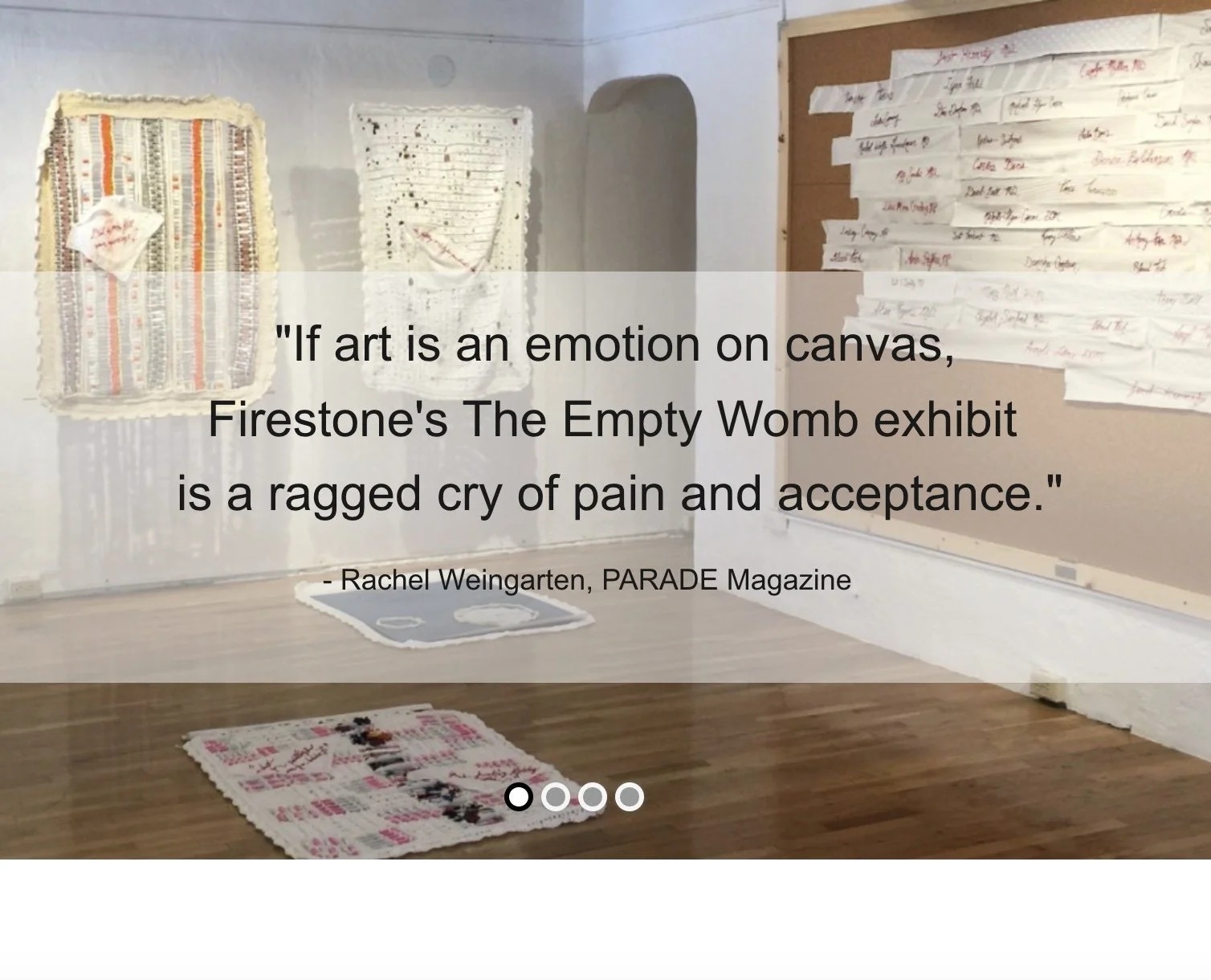
Featured In Parade Magazine Writer: Rachel Weingarten
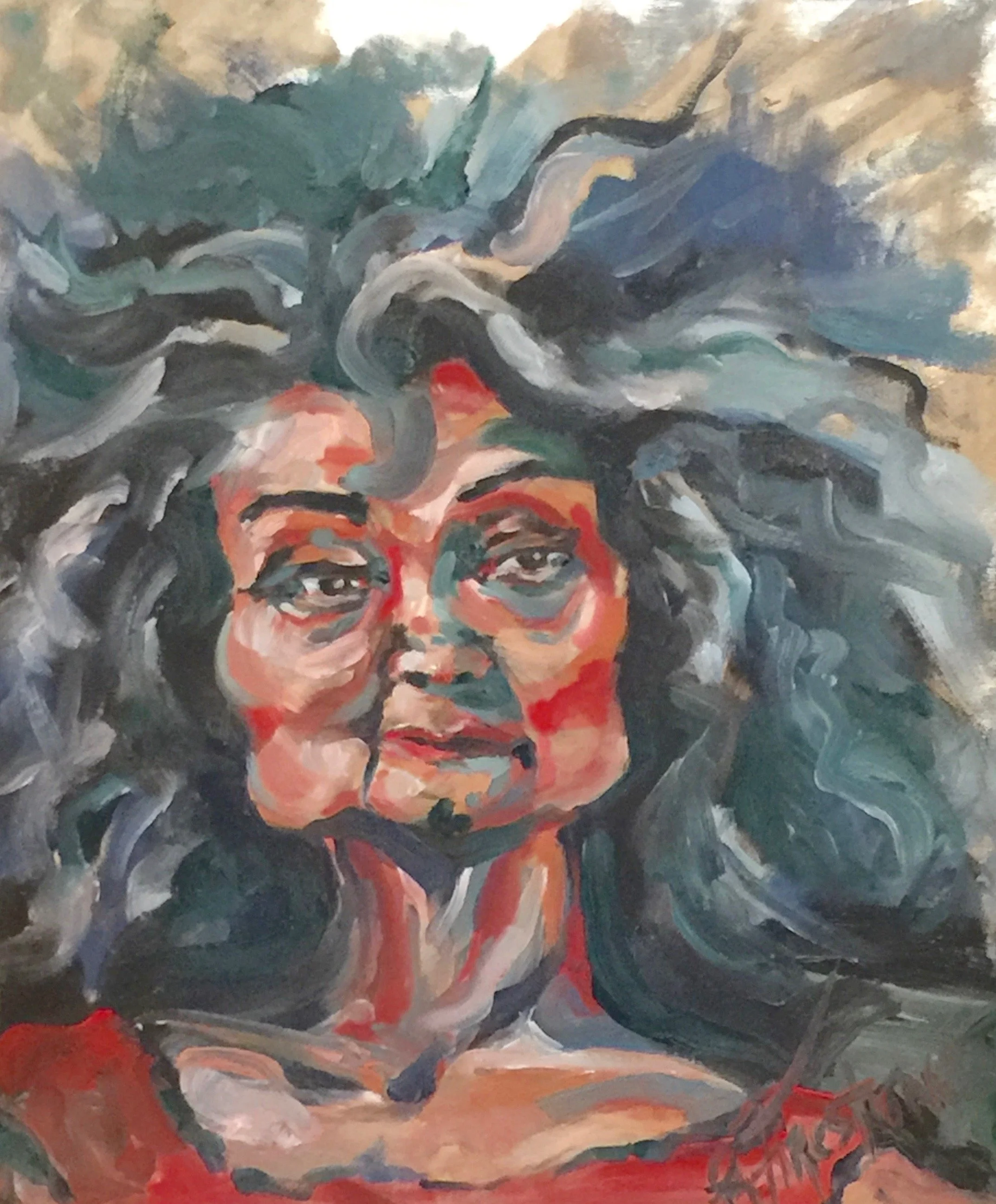
Iko: The Wise Ones Who Helped Me (Detail) 18 x 24 inches · 45.72 cm x 60.96 cm Oil Painting on Canvas, Virgin Wool
The Welders Screens
There is a moment in the experience of infertility when prayer stops working.
Not because God disappears. But because the language of faith, the rituals learned in childhood, the kneeling and the asking and the believing, collides without mercy into the language of medicine. Into protocols. Into percentages. Into the clinical silence of a doctor who has seen this outcome before and knows better than to promise anything.
The Welders Screens is a standing triptych constructed from industrial steel welding frames. They are large, imposing, and deliberately without softness. They do not invite. They confront.
The three frames reference the Holy Trinity: the Father, the Son, and the Holy Ghost. For the artist, raised Catholic, these were not abstract theological figures. They were the ones she prayed to, specifically and repeatedly, for a child. The number three is sacred. It is the architecture of her faith.
But these frames are not made of wood.
Wood is the material of the cross, of the Son of God, of life created through the touching of flesh. These frames are steel. Industrial. Manufactured. Cold to the touch. In that single material choice lives the entire rupture of this work: the moment when the sacred becomes the procedural, when a woman stops praying and starts injecting, when the miracle she asked God for is handed instead to a laboratory.
IVF rarely discloses how seldom it results in a living child. Faith is replaced by statistics. Prayer gives way to outcome charts. What was once held in the spirit is now managed by a system that normalizes loss and rarely names it.
Suspended within and around the steel frames are embroidered handkerchiefs in blood reds and browns, referencing menstrual blood and surgical bleeding, the body's most intimate and recurring evidence of the child that did not come. Handkerchiefs are the historical objects of private grief, pressed into palms at funerals, held to mouths to muffle the sounds of mourning. Here they are made public, stitched open, displayed without apology.
The photographs within the frames are printed on silk. Silk was chosen because it behaves like skin: vulnerable, organic, capable of holding color intensely and then yielding. It tears. It does not pretend to be permanent.
Each frame is edged in a single strand of crocheted virgin wool, formed one stitch at a time. This slow, incremental handwork mirrors the lived experience of grief itself: survival that happens not through resolution, but one small act of endurance at a time.
The Welders Screens do not ask for your sympathy.
They ask you to stand inside the collision of the sacred and the industrial, the feminine and the institutional, the hoped for and the statistically improbable, and to stay there long enough to understand what it cost.
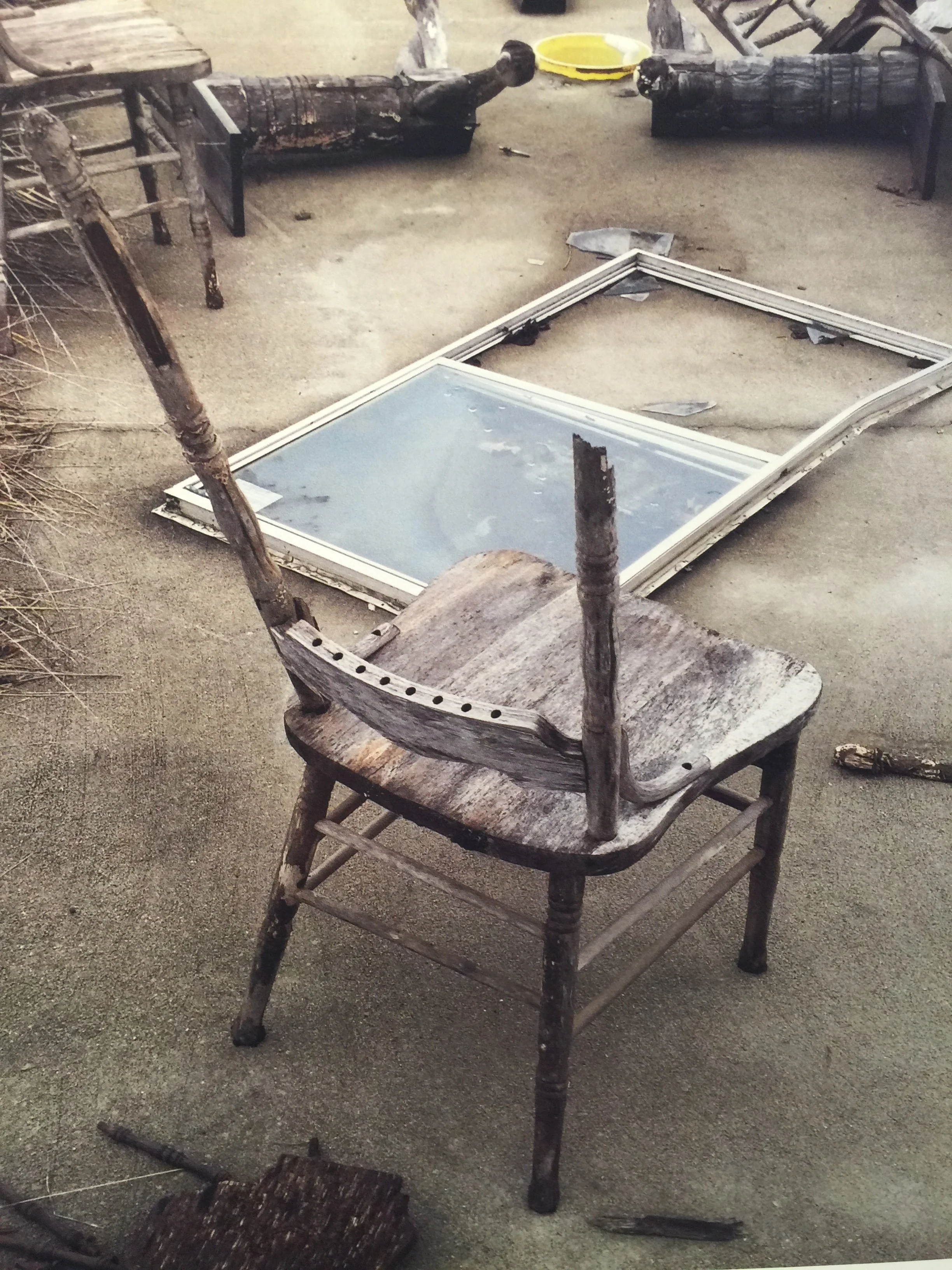
Funeral Chairs
Every funeral has its chairs.
Rows of them, placed in careful order, holding the bodies of those who remain after someone is gone. The chairs do not mourn. They simply wait, and bear the weight of those who do.
The Funeral Chairs are full-sized funeral home chairs, the kind that line the aisles of churches during burial services, the kind that hold the living while they grieve the dead. Here, they hold a different kind of funeral. There is no body. There is no casket. There is only the absence itself, given a room, and a ritual.
Each chair sits empty.
On each seat rests an empty bird's nest, the most ancient and universal symbol of the home that was prepared, and the life that never arrived to fill it.
The chairs are not separate. Each one is tied to the others by hand-crocheted string, a web of connection that binds them into a single, fragile structure. Every stitch in that crochet was a prayer. Spoken aloud or whispered inward, each one the same: heal me from the mourning. Heal me from the grief.
The string is both wound and bandage. It is the thing that broke, and the thing that holds what remains together.
This is the funeral for the child that never came.
It is also the funeral for the woman the artist believed she would become: the mother, the keeper of nests, the one around whom a family would gather. That woman was planned. That woman was prayed for. That woman did not materialize, and she deserved to be mourned properly, with chairs, and ritual, and witnesses.
The collective grief encoded in this piece extends beyond the artist. It speaks to the silent dissolution that infertility can bring to a marriage, the shared dream that two people carried and could not fulfill together. The chairs, bound to one another and yet each holding its own emptiness, embody that particular loneliness: the grief that is experienced together, and yet must ultimately be survived alone.
On the ground surrounding the chairs lies a lifetime of the artist's personal journals. Every volume. Every entry. A lifetime of private writing, beginning when she herself was still a child, dreaming of the mother she would one day become. The names she imagined. The life she planned. The hope she returned to, again and again, even when the medicine failed and the body said no.
They are not hidden. They are not edited. They are placed as an offering, a shrine to the dreams that were real, that were tended carefully for years, and that did not survive.
The chairs hold the grief of the body. The journals hold the grief of the imagination. Together they form a complete portrait of what infertility takes: not only the child, but the entire interior world that was built around the possibility of that child.
To walk among these chairs is to attend a service for a life that was fully imagined and never lived.
You are invited to sit. To witness. To add your own grief to the string.



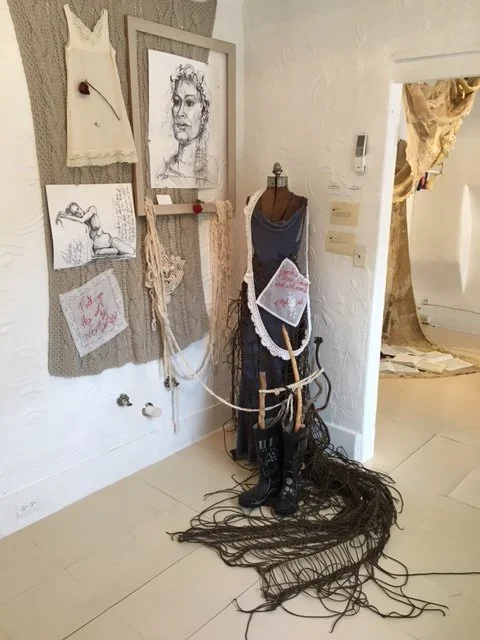
The Innocent Lamb
There is a letter.
It was written by the artist's mother-in-law. It arrived after the hysterectomy, after the years of IVF, after the emergency surgery that ended every remaining possibility of biological motherhood. It was meant, perhaps, as comfort. It said: "Now you can move on."
You cannot move on from this. The audacity of that sentence. As if decades of longing could be scheduled for completion. As if a body surgically emptied could simply redirect its grief.
You do not move on from this. You learn to carry it. And some days the only honest response to the carrying is rage.
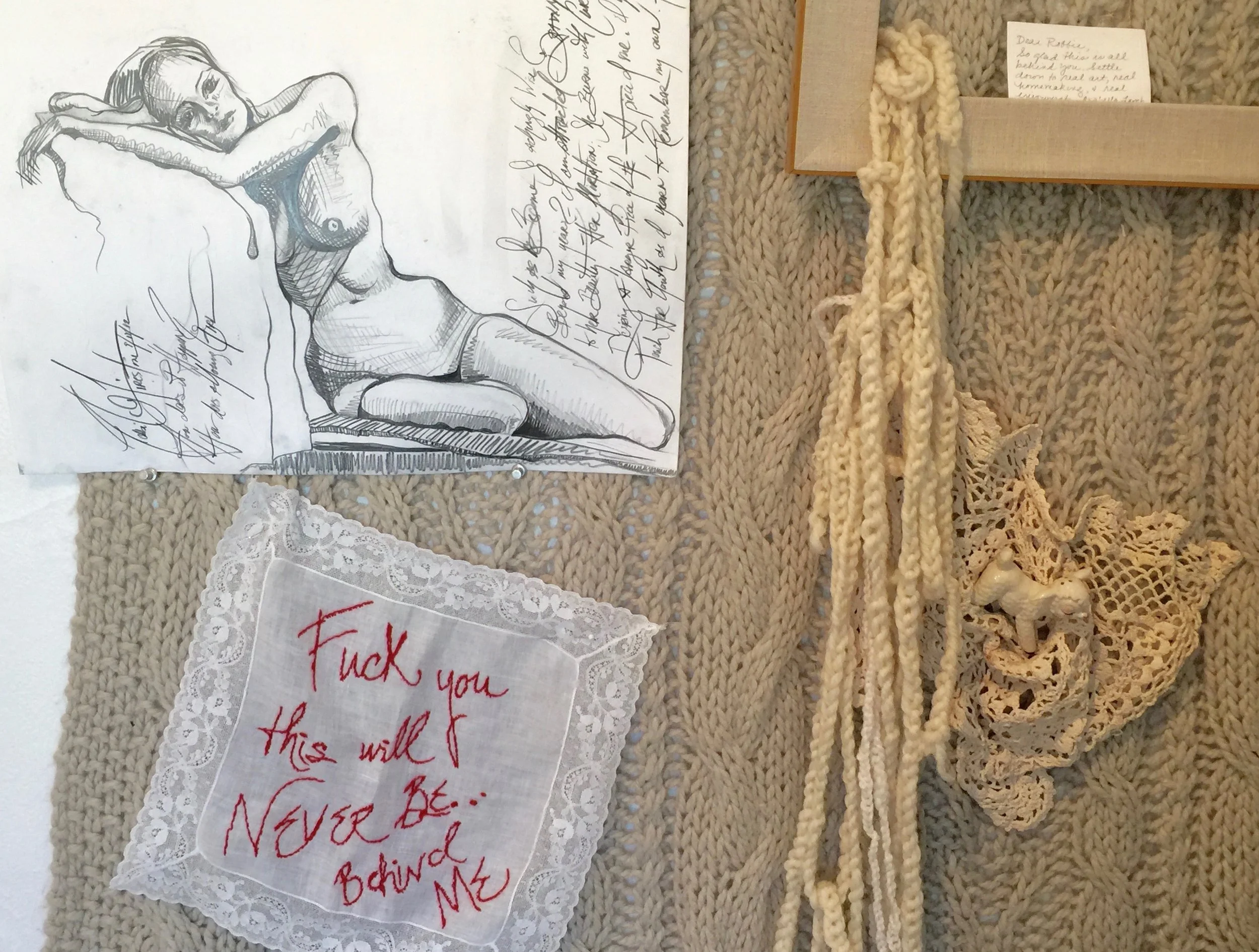
The Innocent Lamb is built around that letter. Around the specific, devastating failure of language that meets a grieving woman and tells her that her mourning has an expiration date. That the child she dreamed of, the mother she planned to become, the body she lost, the marriage strained to its limits, the decades of hoping, can be folded up and set aside. Can be finished. Can be over.
It is not over.
It will never be over.
The piece is constructed from the accumulated materials of a grief that has no resolution. At its foundation is a handmade quilt, the most domestic and maternal of all objects, the thing women have made for centuries to wrap around the bodies of the people they love. Laid upon it, and woven through the entire piece, is the silk nightgown the artist wore during in vitro fertilization treatments, the garment closest to her skin during the most invasive, hopeful, and ultimately devastating chapter of her body's story. Soft. Intimate. Irreplaceable.
Embedded within the work is wood collected from the forest she had chosen for her child to play in. She had already picked the trees. Already imagined the light coming through them. The wood is here now, removed from that forest and placed inside a shrine, because the child never came to play beneath it.
There are drawings of the various states of dreaming: from the earliest childhood fantasy of holding a baby to the last desperate hope before the body finally said no. A drawing of the daughter she wanted, rendered in full, named in the imagination, gone. A drawing of her own body, empty, in grief, in repose. Not performing. Not recovering. Simply lying down inside the truth of what was lost.
Crocheted string runs through it all, each stitch pulled through by hand, the same slow prayer that ties the Funeral Chairs together. There is profanity here. Because sometimes grief does not have the patience for decorum. Sometimes the only honest language left is the kind that cannot be softened, the kind that arrives when every polite word has already failed.
At the center stands an empty mannequin. It does not grieve. It does not feel. It holds the shape of a woman without any of the interior life of one, a deliberate embodiment of the mother-in-law's words and the cultural pressure they represent: the expectation that a woman empty herself of this loss, present a composed surface, and continue. The mannequin is what the world asks her to become. The rest of the piece is what she actually is.
The Innocent Lamb is a shrine to mourning. It is also a shrine to morning.
To the grief that will not end, and to the faint, stubborn light that arrives anyway, not because the loss is resolved, but because the body insists on continuing. Both are true simultaneously. Both are held here, without resolution, without apology, in the same breath.
The Innocent Lamb takes its name from the oldest symbol of pure, undeserved suffering. The lamb that did nothing wrong. The lamb that was sacrificed anyway.
The child was innocent. The dream was innocent. The woman who carried it was innocent.
None of that was enough to save any of them.
The Rosary
Every night, before the injection, the artist prayed.
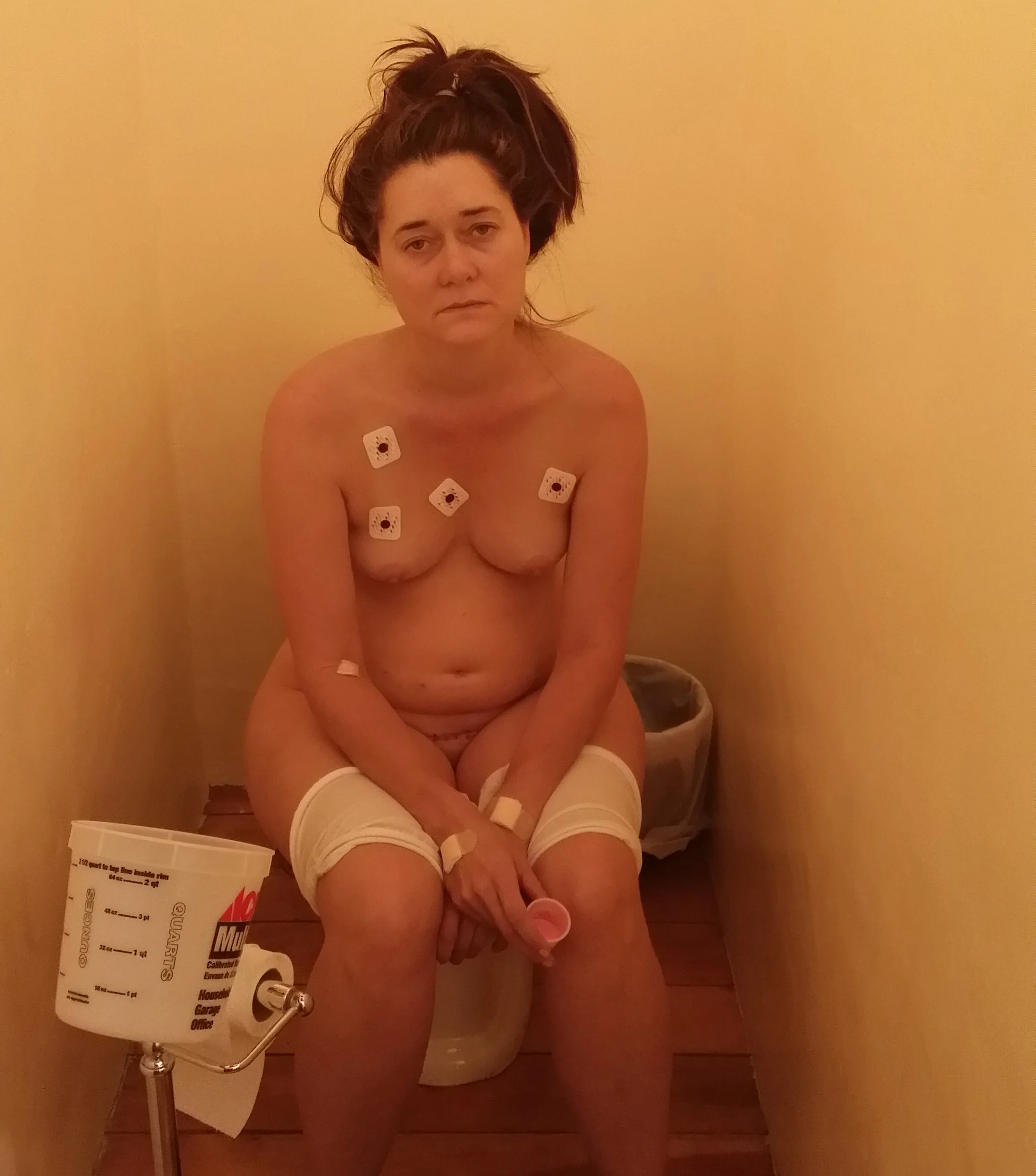
She held the syringe in her hands the way she had been taught as a child to hold her rosary beads: carefully, with intention, with the full weight of her faith pressed into the object between her fingers. She asked God to make the medicine work. She asked for the child. She asked with the devotion of someone who had been asking her whole life and still believed, despite everything, that asking was enough.
She is not alone in this room.
Every woman who has ever held a syringe before an IVF injection has stood in this same stillness. Every woman who has ever prayed over her own medicine, who has pressed hope into a clinical object and asked it to carry more than it was designed to carry, who has wanted a child so completely that the boundary between faith and science dissolved entirely, is here. The artist's hands are her hands. The artist's prayer is her prayer.
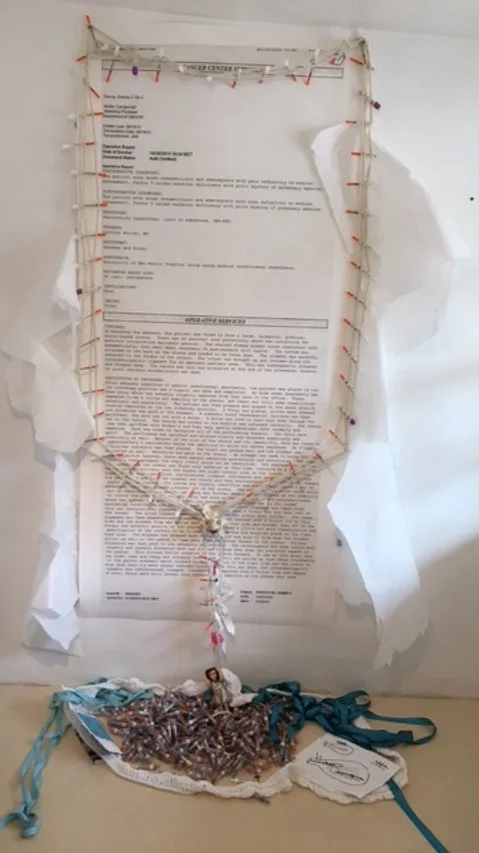
The Rosary is constructed from the actual syringes used during the artist's in vitro fertilization treatments, and from the treatments of every woman who has ever stood in that same dark room, alone with her hope, asking.
Each syringe held the medicine she injected into her own body. Each one was held first in her hands like a sacred object, blessed by private prayer, before it entered her skin.
They are strung together now as rosary beads.
The instrument of medical intervention becomes the instrument of prayer. The syringe, which in any other context speaks only of clinical procedure, of hormones and protocols and the cold arithmetic of reproductive medicine, is here restored to its original meaning in the artist's hands: something held with reverence, something asked of, something that carried the full force of her hope and her devotion.
The Catholic rosary is a repetitive prayer. The same words, again and again. The same asking, bead by bead, until the full cycle is complete. IVF is also a repetitive prayer. The same injections, again and again. The same hope, cycle by cycle, until the body finally cannot continue.
Both require absolute faith in something that may not answer.
Both ask you to keep going anyway.
Beneath the rosary of syringes, printed large enough for every person in the room to read, is the artist's hysterectomy report.
Every clinical detail. Every medical term. The full, cold, institutional accounting of the surgery that ended the last possibility of biological motherhood, rendered in the language of a system that does not grieve, does not pause, and does not consider what it means to the woman whose body it is describing.
It is printed large because shame thrives in smallness. Because infertility has always been whispered, hidden, managed in private, absorbed alone. Because the medical system produces these documents and files them away, and no one is asked to reckon with what they contain.
The report is the substrate. Everything else is built on top of it.
She has been told, by people who consider themselves kind, that she will never be a real woman.
She has been told, in the language of faith she grew up inside, that God did not choose her. That her empty womb is evidence of divine disapproval. That her body's failure is a spiritual verdict.
These are not ancient cruelties. They were said to her, by friends, by family, by the culture that surrounds her, in this century, in this country, where she is considered lucky.
In the Western world, infertile women are shamed. In much of the rest of the world, they are destroyed.
In India, in Ghana, in Liberia, and across vast regions of Africa and Asia, a woman who cannot bear children is not simply pitied. She is discarded. Girls as young as nine and ten, placed into arranged or forced marriages before their bodies are physically capable of sustaining a pregnancy, are designated infertile after months of marriage. The failure is never attributed to the husband. It is never attributed to age, or to biology, or to the violence of a system that married a child before she was a woman. It is attributed to her.
She is divorced. She is cursed. She is cast out by her family and her community simultaneously, rendered without protection, without income, without belonging. She is told she has no value. That the only places left for a woman like her are the convent, where she may serve God since she cannot serve a husband, or the street, where her body may be used for what her womb cannot provide.
Across these regions, infertile women and girls are among the most vulnerable populations for sex trafficking. Rejected by family, unmarriageable by social designation, without financial resources or community support, they are absorbed into systems of exploitation that were waiting for exactly this kind of desperation. United Nations gender officers have documented this pipeline directly. It is not exceptional. It is routine.
The artist who made this piece lives in New York City. She has a career, a home, a voice, and the resources to transform her grief into art. She knows she is among the fortunate. She knows that the shame directed at her, devastating as it was, is a fraction of what infertility costs a woman born elsewhere.
The Rosary holds all of it. The private prayer in a Santa Fe room at night, syringe in hand. The hysterectomy report printed large and public. The friends who said she was not a real woman. The girls in Ghana told the same thing before they were old enough to understand what it meant. The ones who were cast out. The ones who disappeared into trafficking. The ones whose names were never recorded anywhere, whose grief was never witnessed, whose loss was never given a room, a set of chairs, a string of beads, a piece of art, a single sentence that said: you were here, and you mattered, and what happened to you was wrong.
The Rosary does not distinguish between the sacred and the medical, between the personal and the political, between the woman who could afford IVF and the child-bride who never had a choice.
It asks you to hold all of them in your hands at once.
Like a prayer. Like a syringe. Like something you are not sure will work, but cannot bring yourself to put down.